

Year‑Round HVAC Maintenance for Bakersfield Homes: Seasonal Checklists & Practical Tips
A comfortable home starts with a dependable HVAC system. This guide gives Bakersfield homeowners clear, season‑by‑season checklists and straightforward tips to keep heating, ventilation and air conditioning running efficiently. Regular maintenance improves comfort, reduces unexpected repairs, and extends your equipment’s life. Too many people skip seasonal tune‑ups and end up with surprise breakdowns and higher bills. Read on for the benefits of routine care, essential tasks for each season, energy‑saving suggestions, and how maintenance plans can protect your system and your wallet.
Why Seasonal HVAC Maintenance Keeps Your Home Comfortable All Year
Seasonal maintenance ensures your system performs when you need it most. Routine checkups boost energy efficiency, improve indoor air quality, and lower the chance of emergency repairs. Spending a little time and money on seasonal service helps you avoid bigger problems later and keeps your living space consistently comfortable.
Key Benefits of Regular HVAC Maintenance
Consistent HVAC care delivers practical benefits that matter day to day:
- Lower Energy Bills: A well‑tuned system runs more efficiently, using less electricity or gas.
- Longer Equipment Life: Routine checks and minor repairs prevent premature wear, extending the life of your HVAC units.
- More Consistent Comfort: Properly maintained systems deliver steadier heating and cooling throughout your home.
These advantages make seasonal maintenance a smart, cost‑effective habit for homeowners.
How HVAC Maintenance Improves Indoor Air Quality
Good HVAC maintenance helps keep dust, pollen, and other pollutants out of your home. Regular filter changes, duct cleaning, and balanced ventilation reduce allergens and improve air circulation—especially important for households with kids, seniors, or anyone with allergies or respiratory concerns.
Spring HVAC Checklist: Get Your AC Ready for Bakersfield Heat
Spring is the best time to prepare your air conditioner for the warmer months. A focused spring tune‑up keeps cooling efficient and helps avoid mid‑summer failures.
- AC Coil Cleaning: Clean the evaporator and condenser coils to restore airflow and cooling efficiency.
- Refrigerant Level Check: Verify refrigerant charge to ensure peak cooling performance.
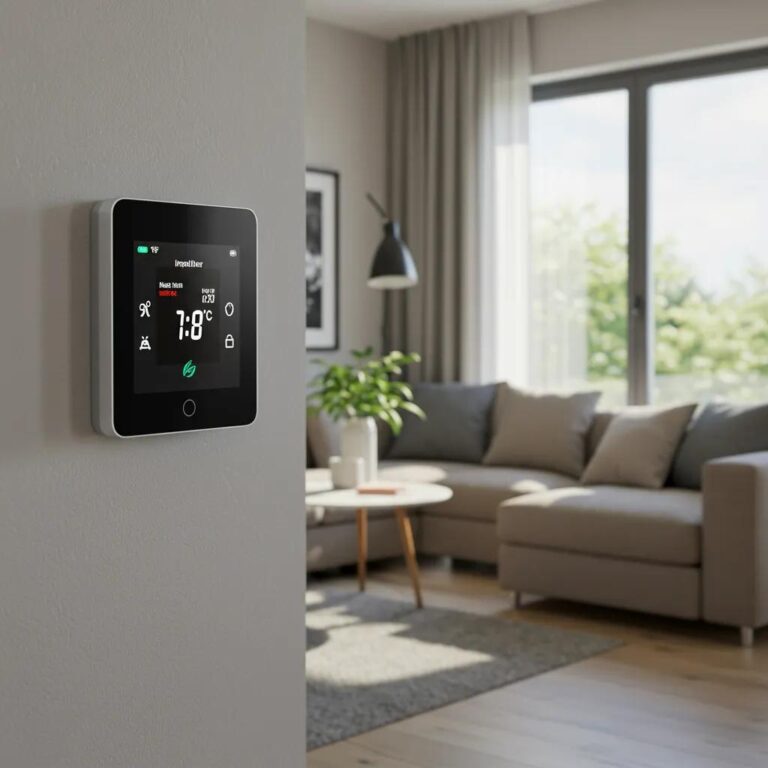
- Thermostat Calibration: Calibrate the thermostat so your system maintains temperature accurately and efficiently.
Completing these tasks helps your AC handle Bakersfield’s heat without wasting energy.
How to Do a Spring AC Tune‑Up in Bakersfield
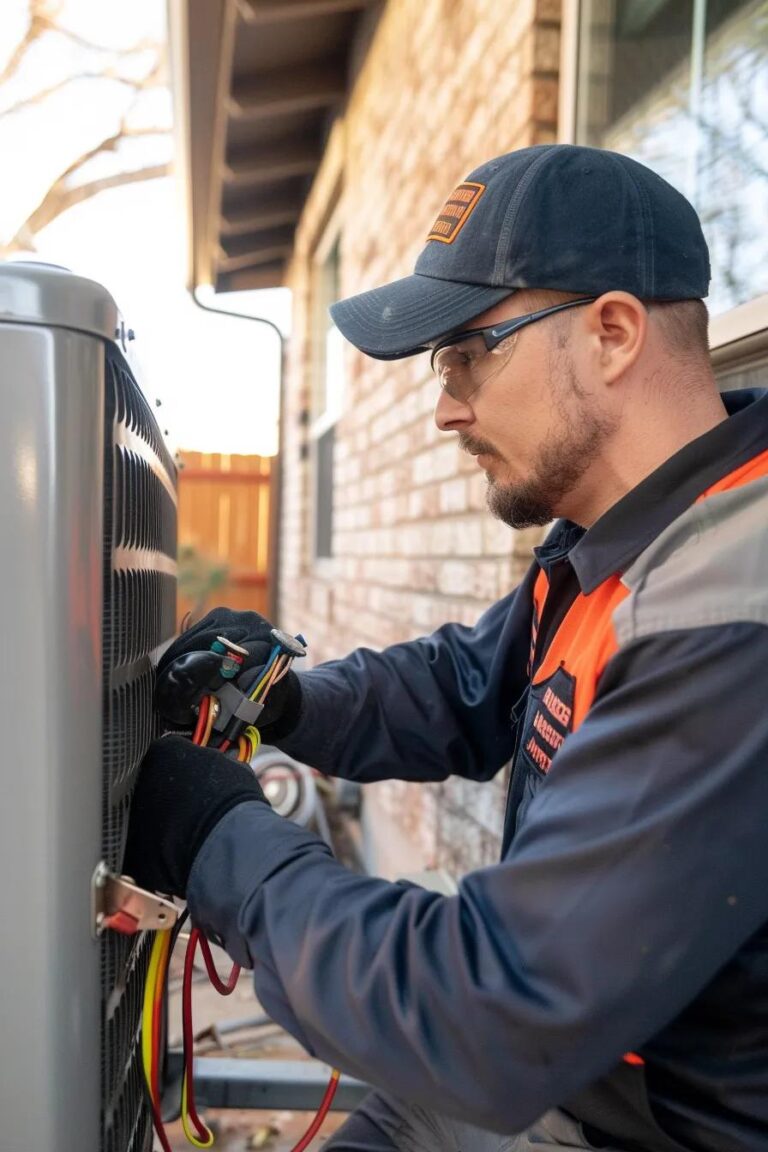
A thorough spring tune‑up typically includes:
- Inspect the System: Look for visible wear, loose panels, or debris that could affect operation.
- Clean the Coils: Remove dirt buildup from coils using a soft brush or approved coil cleaner.
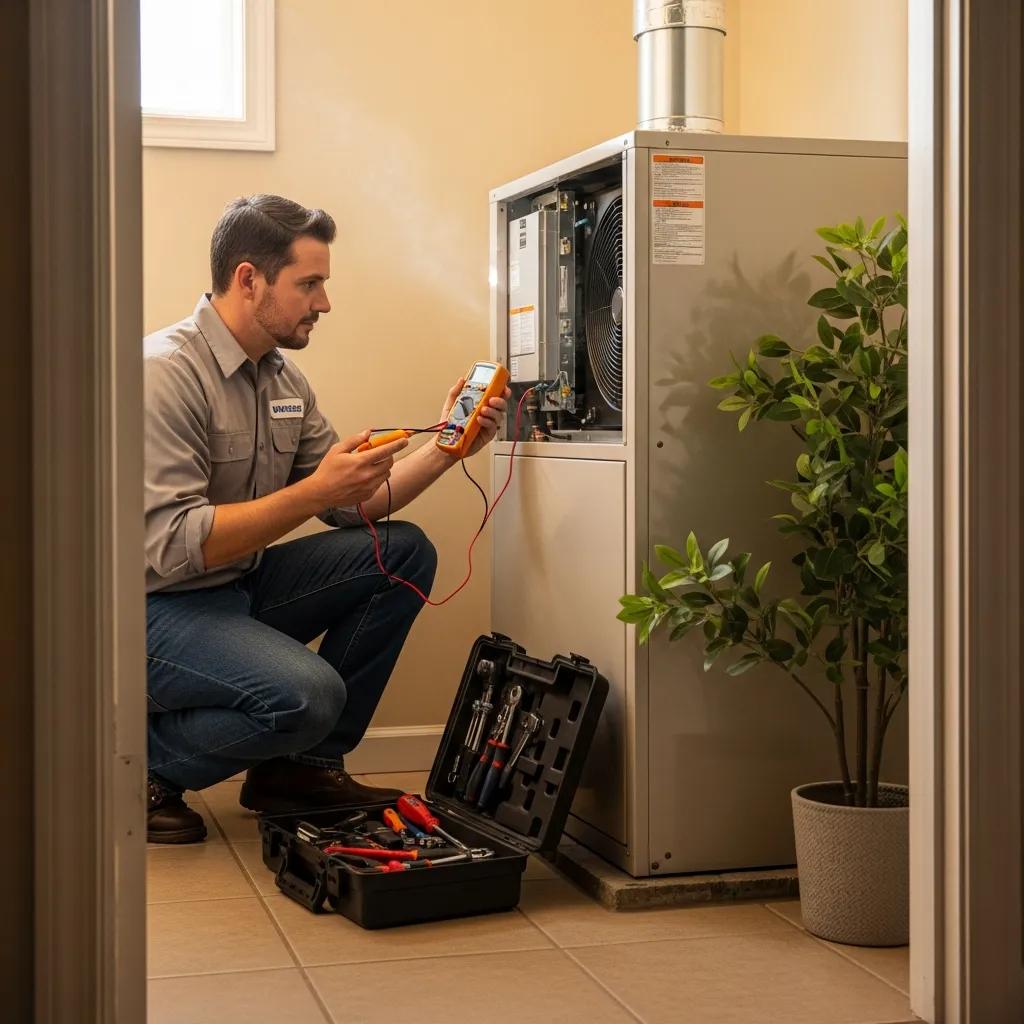
- Check Electrical Components: Tighten connections and test capacitors, contactors, and safety controls.
These steps help preserve efficiency and prevent common summertime failures.
When to Schedule Professional Spring HVAC Service
Schedule professional service at these times to avoid problems:
- Early Spring: Service before peak cooling season gives you time for any needed repairs.
- After Major Weather Events: Storms can blow debris into outdoor units or damage components.
- When You Notice Issues: Unusual noises, weak airflow, or rising bills are signs to call a pro.
Being proactive keeps small issues from becoming expensive emergencies.
Summer AC Efficiency: Preventative Steps That Save Energy
Maximizing AC efficiency during summer lowers energy costs and keeps your home comfortable when temperatures climb. Preventative maintenance is the easiest way to keep performance steady.
- Regular Filter Changes: Replace filters every 1–3 months to maintain proper airflow and efficiency.
- Outdoor Unit Care: Keep the outdoor unit clear of grass, leaves, and overgrowth so it can breathe.
- Smart Thermostat Settings: Raise setpoints when you’re away and use programmable schedules to save energy.
These practices reduce strain on your system and help it cool more effectively. AC maintenance can also contribute to this process.
Best Practices for Summer Air Filter Replacement
Simple filter care protects both your system and indoor air quality:
- Choose the Right Filter: Use a MERV‑rated filter suited to your home—typically MERV 8–13 for residential systems.
- Set Reminders: Use calendar alerts or phone reminders to stay on schedule.
- Check Monthly: Inspect filters each month and replace sooner if they look dirty.
Staying on top of filters keeps airflow steady and components cleaner.
Inspect & Maintain Outdoor AC Units During Summer
Keep the outdoor unit operating at peak by doing these checks:
- Clear Debris: Remove leaves, dirt, and clutter from around the unit.
- Check for Leaks: Inspect refrigerant lines and connections for signs of leaks or oil residue.
- Ensure Proper Drainage: Make sure the condensate drain is clear so water can flow away freely.
Routine outdoor care prevents common airflow and refrigerant problems in hot weather.
Fall Furnace Prep: Steps to Keep Your Heat Reliable
As temperatures fall, get your furnace ready for winter with a few key steps. A fall inspection reduces the chance of mid‑season failures and keeps your home safe. You might also want to look into heating replacement.
- Furnace Inspection: A thorough check finds worn parts, dirty burners, or control issues before winter arrives.
- Heat Exchanger Check: Inspect the heat exchanger for cracks or corrosion to protect safety and efficiency.
- Filter Replacement: Swap the furnace filter to restore airflow and system performance.
Frequently Asked Questions
What are the signs my HVAC system needs maintenance?
Common signs include strange noises, uneven heating or cooling, reduced airflow, and rising energy bills. If you hear banging, hissing, or notice temperature swings, schedule an inspection—those are early warning signs of a problem.
How often should I change my HVAC filters?
Change most residential filters every 1–3 months. Homes with pets or high dust load may need more frequent changes; high‑efficiency filters can last longer. Check filters monthly and set reminders so you don’t fall behind.
Can I do HVAC maintenance myself, or should I hire a professional?
You can handle basic tasks like changing filters and clearing vents. For inspections, electrical checks, refrigerant handling, or any repairs, hire a licensed technician. Professionals spot issues early and keep work safe and code‑compliant.
What should I do if my HVAC system breaks down?
First, check thermostat settings and power to the unit. If the system still won’t run, call a qualified HVAC technician. Avoid attempting complex repairs yourself—doing so can cause more damage or safety risks.
Are HVAC maintenance plans worth the investment?
Yes. Plans often pay for themselves by preventing major repairs, improving efficiency, and offering priority service and discounts. Many homeowners find the long‑term savings and convenience well worth the cost.
When is the best time to schedule HVAC maintenance?
Spring and fall are ideal: spring for AC prep before summer, and fall for furnace prep before winter. Scheduling during these shoulder seasons helps ensure your system performs through peak demand.
Conclusion
Seasonal HVAC maintenance keeps your home comfortable, lowers energy use, and reduces the chance of costly repairs. Follow the checklists and tips here to keep systems running smoothly year‑round. If you’d like help, our BannerAir team is ready to answer questions and set up a maintenance plan that fits your home—visit our website to learn more.