

Winter Heating Checklist: Practical Tips to Keep Your System Safe, Efficient, and Comfortable
Getting your heating system ready for winter protects your family, cuts energy costs, and keeps indoor comfort steady—especially here in Bakersfield and similar climates. This guide walks you through clear, practical steps: pre-season checks, furnace tune-ups, energy-saving upgrades, signs that need professional attention, heat-pump winter prep, and indoor air quality tips. Whether you’re a homeowner or building manager, you’ll find easy checklists, filter guidance, weatherization priorities, and clear advice on when to call a pro to avoid breakdowns or safety risks. Follow the prioritized how-to steps and scheduling tips below to keep your system running reliably and efficiently—and learn how BannerAir can help when you need service.
How Do You Prepare Your Heating System for Winter?
Start with a few priority checks that protect airflow, combustion safety, and mechanical parts. Replace or inspect the air filter to restore airflow and reduce blower strain. Visually check vents and registers, confirm outdoor clearances for exterior equipment, and verify thermostat settings so the system controls run as expected. These quick actions prevent common winter failures, lower heating use, and reveal issues a technician should look at. After these basics, schedule a full furnace tune-up to inspect combustion components, safety devices, and control sequences for a safe, efficient season.
Use this short checklist to cover the highest-impact prep tasks first.
- Replace or inspect the air filter: Restore airflow and protect the blower motor.
- Test the thermostat and program winter schedules: Set correct temperatures and setbacks for savings.
- Check vents and registers for obstructions: Keep airflow balanced and rooms comfortable.
- Inspect flue and vent terminations for blockages: Reduce the risk of combustion byproduct buildup and CO hazards.
- Verify outdoor unit clearance and remove debris: Keep heat pumps and condensing units working efficiently.
Knocking out these items first lowers the chance of urgent failures and prepares the system for the more detailed furnace tune-up described next.
What Are the Key Steps in a Furnace Tune-Up Checklist?
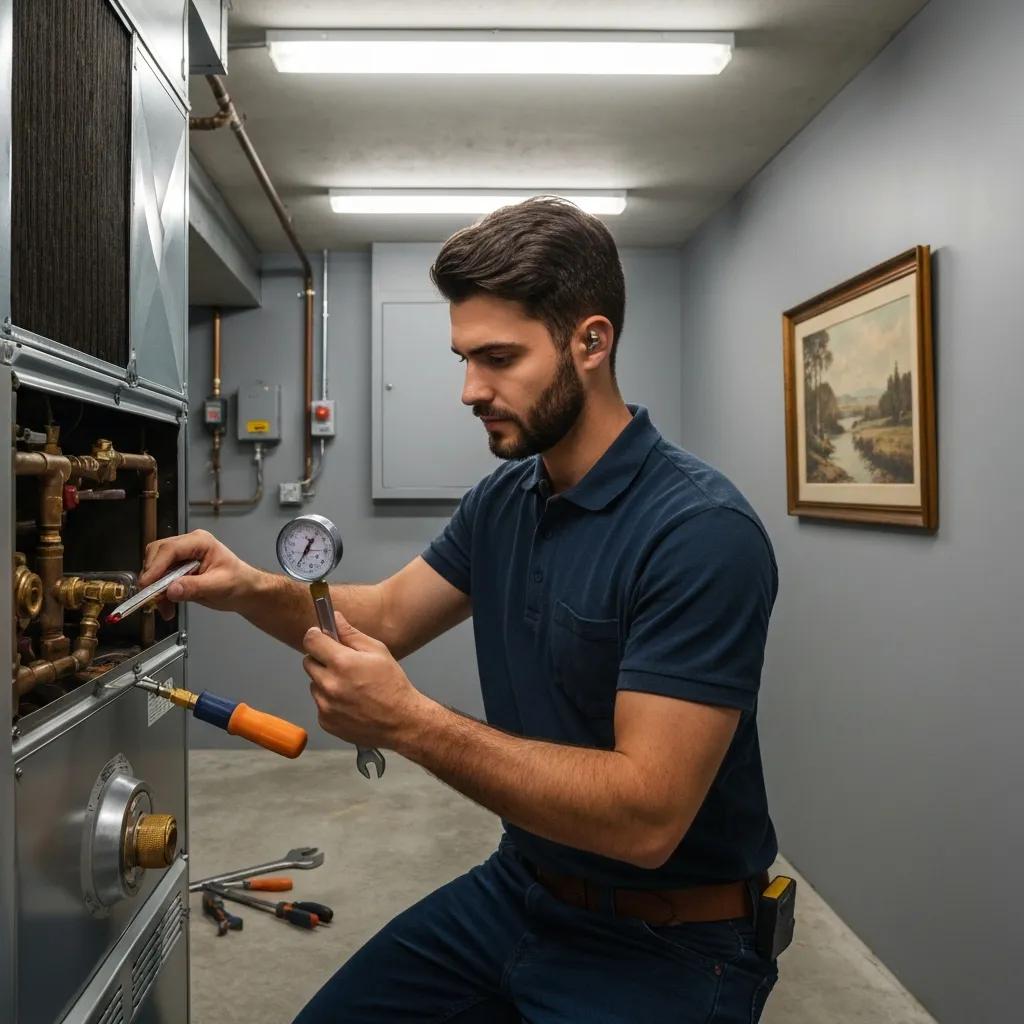
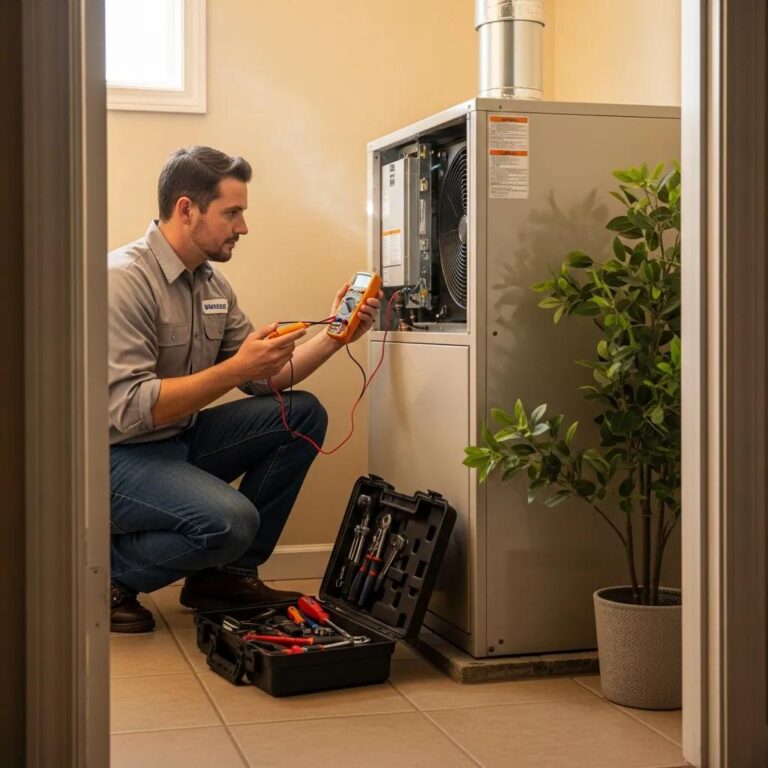
A proper furnace tune-up looks at combustion safety, airflow, and mechanical operation to restore efficiency and catch unsafe conditions. A technician will visually inspect the heat exchanger and burners, test ignition and safety controls, clean or replace filters, check the blower and belts, and confirm proper venting and exhaust paths. These steps reduce wasted fuel, correct combustion problems that raise carbon monoxide risk, and extend equipment life by addressing wear before it becomes a failure. If you spot soot, rust, or odd smells during home checks, stop and call a professional for instrumented combustion testing and a heat-exchanger inspection.
The table below links common tune-up tasks with the problems they prevent and the benefits you can expect.
| Tune-up Task | Fixes / Prevents | Expected Benefit |
|---|---|---|
| Filter replacement and airflow check | Restricted airflow, overheating | Restored airflow, lower energy use |
| Burner cleaning and adjustment | Incomplete combustion, soot | Improved combustion efficiency |
| Heat exchanger inspection | Cracks and CO leaks | Safety assurance and leak prevention |
| Venting/flue evaluation | Blocked exhaust, backdrafting | Safer combustion byproduct removal |
| Controls and safety device testing | Faulty ignition or limit switches | Reliable operation and reduced risk |
That mapping shows how each tune-up task targets likely failure modes and delivers measurable safety and efficiency gains.
How Often Should You Replace Your Furnace Air Filter in Winter?
How often you change filters depends on filter type, household size, pets, and indoor air quality needs. Because furnaces often run more in winter, check standard pleated filters monthly and plan replacements every 1–3 months. High-efficiency (higher MERV) filters trap more particles and can load faster, so monitor them closely to avoid reduced airflow. Dirty filters raise blower energy use and can cause short cycling or lower heat output—use a quick visual check at the return grille or an airflow test to decide. Households with pets or allergies should err toward monthly checks and choose a filter rated for allergen capture while confirming compatibility with the furnace.
Keeping filters in good shape reduces system strain and sets you up for the energy-efficiency upgrades covered next.
What Are the Best Energy Efficiency Tips for Winter Heating Systems?
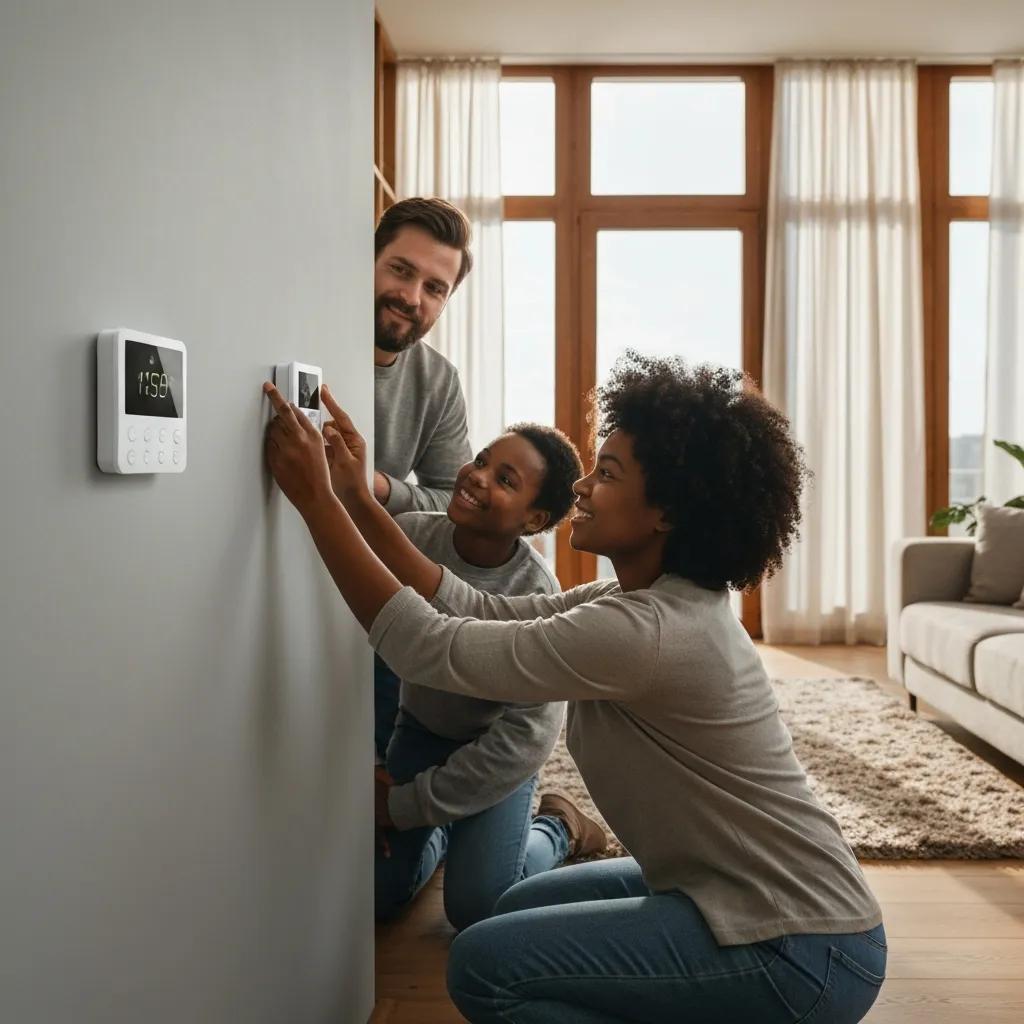
Winter efficiency comes from small behavior changes, targeted weatherization, and select equipment upgrades. Start with thermostat strategies—setbacks of a few degrees and a programmable or smart thermostat deliver quick savings with little cost. Seal air leaks at doors, windows, and duct connections and add attic insulation where most heat escapes; these reduce the load on your system and often pay back quickly. Consider upgrades like smart thermostats, duct sealing, and adding insulation to get measurable seasonal savings and steadier home comfort.
Here are five top winter energy-saving actions and their short benefits.
- Lower and schedule thermostat setpoints: Cuts runtime and fuel use.
- Seal drafts and gaps around doors and windows: Reduces heat loss and improves comfort.
- Add attic or cavity insulation where needed: Lowers heat transfer and heating demand.
- Seal and insulate ducts in unconditioned spaces: Keeps more heat where you want it.
- Install a smart thermostat: Automates schedules and adapts to occupancy for savings.
Combined, these steps shrink the heating load and make both small fixes and larger upgrades more effective by cutting wasted heat first. For more details on effective solutions, consider our heating replacement.
The table below compares common upgrades by effort and likely seasonal return to help prioritize projects in Bakersfield.
| Upgrade | Upfront Effort / Cost Category | Expected Energy Savings / Comfort Benefit |
|---|---|---|
| Smart thermostat | Low; minor install or pro setup | 5–12% heating savings with optimized schedules |
| Insulation (attic) | Medium to high; materials and labor | 10–20% heating savings depending on existing R-value |
| Duct sealing & insulation | Medium; targeted service | 5–15% better delivered heat and improved comfort |
| Weatherstripping and caulking | Low; DIY-friendly | Immediate reduction in drafts and heat loss |
Use this comparison to prioritize projects by cost, effort, and seasonal impact for local conditions.
How Can Home Insulation and Draft Sealing Reduce Heating Costs?
Insulation and draft sealing slow heat transfer and cut infiltration, so your furnace runs less to hold setpoints—directly lowering fuel use. Focus on attic access points, rim joists, exterior wall penetrations, and leaky windows or doors. Use weatherstripping on operable joints, caulk for cracks, and consider blown-in attic insulation to improve R-value—especially valuable in older homes with weak envelopes. After sealing and insulating, the system cycles less, peak loads drop, and equipment life and comfort both improve.
Sealing and insulation are foundational—once they’re in place, upgrades like duct sealing and smart thermostats deliver even better returns.
What Are the Benefits of Using a Smart Thermostat in Winter?
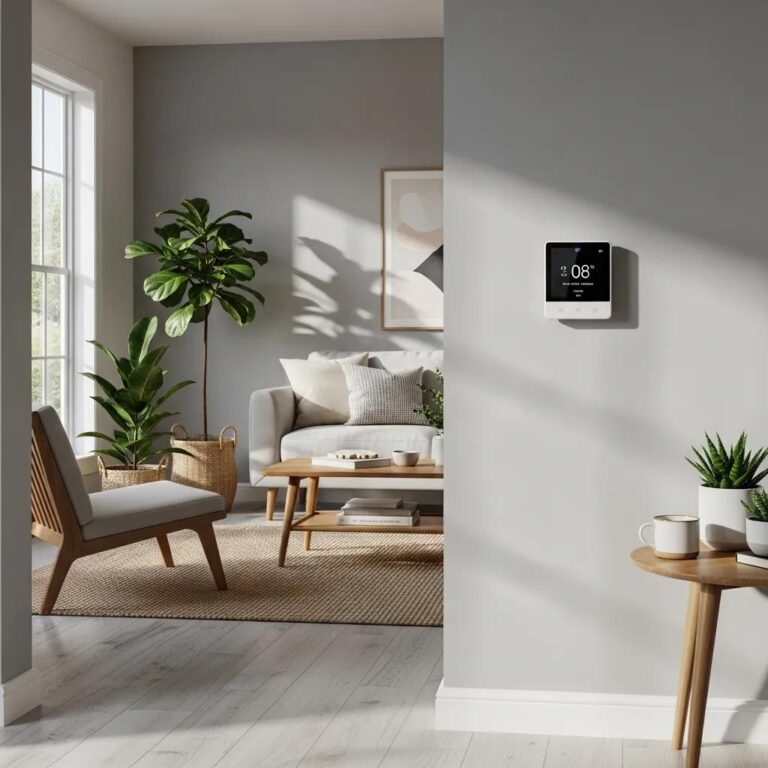
Smart thermostats cut energy by automatically adjusting schedules, using geofencing or learned patterns, and reducing runtime when homes are empty. In winter they enable precise setback schedules, prevent overheating unused rooms, and smooth temperature swings that trigger long furnace cycles. Check compatibility—older furnace controls sometimes need a common wire or pro wiring to work fully; installers can confirm compatibility and enable adaptive features. Remote access and runtime insights also make it easier to spot irregular operation that may indicate a maintenance need.
These controls pair well with routine maintenance—and unexpected runtime patterns often point to issues a technician should check.
When Should You Call a Professional for Winter HVAC Maintenance?
Call a pro when safety is at stake, a failure is imminent, or the needed diagnostics exceed DIY tools. Urgent signs include loss of heat, a carbon monoxide alarm, persistent gas odors, or visible flame instability—these require immediate attention. For performance declines like rising energy bills, uneven temperatures, frequent cycling, or new noises, schedule a professional tune-up or diagnostic visit to find root causes such as airflow restriction, control failure, or heat-exchanger problems. Annual professional maintenance provides instrumented checks, combustion analysis, and safety tests that simple at-home checks cannot, preventing small issues from turning into costly winter failures.
Watch for the following urgent signs and contact a technician right away.
- No heat or sudden loss of heating: Could indicate ignition or control failure—requires prompt service.
- Carbon monoxide alarm or persistent gas smell: Evacuate, call emergency services, and contact a technician immediately.
- Loud banging, grinding, or continuous unusual noises: Possible mechanical failure—get it checked to avoid further damage.
- Rapidly rising energy bills with no change in use: May indicate efficiency loss or failing components—schedule a diagnostic.
If you see any of these signs, get professional help to protect safety and restore reliable heating. BannerAir is here to help—book a service or request a quote for fast, local support.
Before you call, this table maps common symptoms to likely causes and the recommended urgency so you can share useful details with a technician.
| Symptom | Possible Cause | Recommended Professional Action / Urgency |
|---|---|---|
| No heat | Ignition failure, fuel supply, control fault | Diagnostic visit same day to restore heat |
| Carbon monoxide alarm | Cracked heat exchanger, flue blockage | Emergency inspection and repair; high urgency |
| Uneven heating | Blocked vents, duct imbalance, failing blower | Schedule a diagnostic tune-up within days |
| Strange noises | Motor bearings, loose components | Prompt service to prevent secondary damage |
What Are the Signs Your Heating System Needs Repair or Tune-Up?
Look for longer run cycles, higher utility bills, uneven room temperatures, odd odors, and new mechanical noises. Each symptom hints at different causes—short cycling can mean airflow or sizing issues, rising bills often point to dirty burners or filters, and odors can indicate duct mold or overheating electrical parts. Note times, thermostat settings, and sound patterns to give technicians clear information; that helps speed diagnosis and improves repair accuracy. If you notice multiple symptoms together, don’t delay—combined signs can mean the system is worsening.
Why Is Carbon Monoxide Detection Critical During Winter?
Carbon monoxide (CO) is an odorless, colorless gas from incomplete combustion and becomes more dangerous in winter when homes are sealed and heating runs longer. Use battery-backed or hardwired CO alarms near sleeping areas and on the same level as the heating appliance, and test them regularly per the manufacturer’s guidance. If a CO alarm sounds, evacuate immediately, call emergency services, and contact an HVAC professional before re-entering—pros will perform combustion tests, inspect heat exchangers, and correct venting problems. Regular furnace maintenance that includes combustion analysis and heat-exchanger inspection significantly lowers the risk of CO exposure during winter.
CO prevention ties into system-specific winterization steps like those for heat pumps below.
How Do You Winterize Specific Heating Systems Like Heat Pumps?
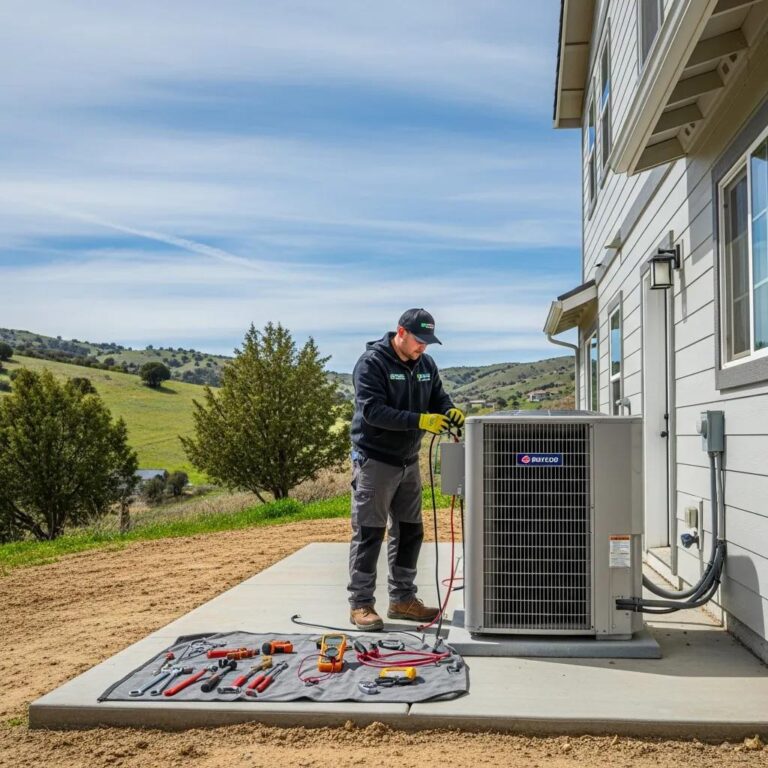
Heat pumps need winter prep focused on outdoor coil clearance, defrost operation, and backup heat readiness—because defrost cycles and airflow are central to cold-weather performance. Key steps: clear vegetation and snow from around the outdoor unit, inspect coils for buildup, confirm the defrost cycle works correctly, and check refrigerant charge and reversing-valve operation for signs of trouble. Proper winterization keeps airflow steady, prevents compressor short-cycling from ice and debris, and preserves capacity in mild-to-moderate cold. If defrost cycles act up or performance drops, schedule professional diagnostics with gauges and tools.
Do these checks before cold snaps to protect heat-pump service performance.
- Clear at least two feet of clearance around the outdoor unit: Prevent airflow restriction and ice trapping.
- Inspect and clean outdoor coils if accessible: Maintain heat transfer efficiency and defrost reliability.
- Confirm defrost cycle activation during cold cycles: Verify reversing valve and controls are functioning.
- Check backup heat source operation: Ensure auxiliary heat is ready for very low temperatures.
Following these steps reduces performance loss and prepares the system for any technician-level checks that follow.
What Are the Essential Heat Pump Winterization Steps?
Key heat pump winter steps include verifying refrigerant levels, testing the defrost cycle, keeping the outdoor coil area clear, and confirming the reversing valve and controls work correctly. Low refrigerant or restricted airflow cuts low-temperature capacity and forces the system to run longer or use auxiliary heat, raising costs. The defrost cycle periodically reverses refrigerant flow to melt frost—if it fails, ice builds up, efficiency drops, and the compressor can be stressed. Homeowners can handle clearance and visual checks, but refrigerant and valve diagnostics require pro tools and should be scheduled if you see symptoms.
After outdoor-unit care is confirmed, consider how placement and surroundings affect overall performance below.
How Do Outdoor Units Affect Winter Heating Performance?
Where and how an outdoor unit is mounted affects heat-pump and condensing-unit performance by influencing airflow and exposure to leaves, snow, or ice. Units near shedding landscaping or downspouts can collect blockage that restricts airflow; low-mounted units may trap drifting snow. Secure mounting, routine debris removal, and wind or snow deflectors where appropriate reduce airflow restrictions and protect the unit from ice damage. Inspect units before winter and after storms so they keep operating within design limits and avoid preventable efficiency losses.
Outdoor unit care works hand-in-hand with indoor airflow and IAQ strategies covered next.
How Can You Improve Indoor Air Quality During Winter Months?
Winter IAQ challenges come from sealed homes, longer HVAC runtimes, and more indoor pollutant sources. Targeted filtration, proper humidification, and duct care reduce these problems. Use HEPA or appropriately rated MERV filters to capture particles, keep indoor relative humidity around 30–50% to balance comfort and mold risk, and consider portable or whole-home purifiers for allergy control. Duct cleaning makes sense when there’s visible contamination, recent renovations, or occupant symptoms tied to HVAC use—professional cleaning that documents findings can improve indoor air quality. These IAQ steps reduce particulates and improve comfort while complementing heating-efficiency measures.
The next section explains humidifiers and purifiers and how to integrate them with your HVAC system.
What Role Do Humidifiers and Air Purifiers Play in Winter HVAC?
Humidifiers bring indoor moisture back to comfortable levels, easing dry throats and static and sometimes allowing slightly lower thermostat setpoints. Whole-house humidifiers tied to the furnace give even control but need regular maintenance to avoid microbial growth; portable units work for single rooms but require frequent cleaning. Air purifiers with HEPA filtration lower particulate counts and allergens; an activated-carbon stage helps with odors. Size purifiers to room volume and consider integrating higher-efficiency filtration into the HVAC system for whole-home results. Proper upkeep of humidifiers and purifiers is essential—monitor humidity to avoid condensation that can lead to mold.
Keeping ducts in good condition and cleaning them when warranted helps sustain IAQ improvements.
When Is Duct Cleaning Recommended for Winter HVAC Systems?
Consider duct cleaning when you see mold inside ducts, evidence of rodent infestation, or large amounts of dust and debris coming from registers—continuous winter operation can make these issues more noticeable. Other triggers include recent renovations that released construction dust or persistent occupant allergy symptoms tied to HVAC use. Qualified duct cleaning targets source removal, seals obvious leaks, and improves airflow rather than just cosmetic cleaning—choose providers who document what they find and explain expected results. After cleaning, better filtration and targeted sealing reduce recontamination and help maintain IAQ through the heating season.
Below we outline local scheduling and service options for Bakersfield homeowners.
What Local HVAC Services Does BannerAir Offer for Winter Heating in Bakersfield?
BannerAir offers local HVAC services in Bakersfield to help you get winter-ready: maintenance plans, seasonal tune-ups, repairs, replacements, and installations, plus financing for larger projects. Our maintenance plans usually include priority scheduling for tune-ups and safety checks so systems stay safe and efficient during peak winter demand. For repairs or replacements, BannerAir provides diagnostic visits and equipment swaps aimed at restoring reliable winter comfort. If you need help, we’ll give clear guidance, build trust, and make it easy to book service or request a quote.
Typical maintenance-plan benefits BannerAir emphasizes for winter comfort include:
- Seasonal tune-ups and safety inspections: Keep combustion systems safe and running efficiently.
- Priority emergency response: Faster service when cold-weather breakdowns happen.
- Financing options for replacements: Spread payments for major equipment upgrades.
How Can BannerAir’s Maintenance Plans Ensure Winter Comfort?
BannerAir maintenance plans bundle scheduled inspections, filter reminders, safety checks, and priority service to reduce emergency repairs and keep systems efficient through winter. Regular tune-ups identify developing issues—like heat-exchanger problems, burner inefficiencies, or refrigerant irregularities—before they become no-heat emergencies. Priority response shortens wait times during cold snaps, which helps protect occupants and property. By combining preventive maintenance with documented safety checks, a plan supports consistent comfort and fewer surprise heating expenses.
Ready to act? Here’s how to schedule service or report an emergency with BannerAir.
How to Schedule a Winter HVAC Tune-Up or Emergency Repair with BannerAir?
When you schedule with BannerAir, have a few details ready: system make and model (if available), symptoms you’ve seen, and your address—this helps prioritize parts and service. Contact us by phone or use our online request form. A technician will confirm the appointment, advise on prep steps (like clearing access), and provide an estimated arrival window. For winter emergencies, BannerAir’s priority response for plan members reduces wait times so your heating gets back online quickly. Our local Bakersfield team delivers practical, on-the-ground support when you need it most.
We’re here to help—book a tune-up, request a diagnostic, or get a quote to keep your home warm this winter.
GEMMA-FD: Zero-Shot Fault Detection in Heat Pumps Using Multimodal Language Models for Energy Efficiency
ABSTRACT: Fault detection in heating systems is critical for energy efficiency and reliable operation. Traditional methods depend on labeled fault data and expert rules that can be costly or unavailable. GEMMA-FD (GEMMA for Fault Detection) introduces a zero-shot approach for heat-pump fault detection that leverages large language models without needing labeled anomalies or preset fault signatures. The method converts multivariate sensor time series into structured natural-language prompts and augments them with visual features, such as line plots of key variables, to support multimodal reasoning. Using GEMMA-3, an open-weight multimodal LLM, the framework classifies heat pump states as normal or faulty. Tests on a real-world heat pump dataset show GEMMA-FD can identify unseen faults with reasonable precision, although supervised models like XGBoost still outperform it on this dataset.
Frequently Asked Questions
What are the signs that my heating system needs maintenance?
Signs to watch for include unusual noises, rising energy bills, uneven heating, and longer run times. Strange odors or frequent cycling are also warning signs. Keep a simple log of symptoms—times, thermostat settings, and noises—to help a technician diagnose the issue faster. Regular maintenance prevents many problems from turning into costly repairs.
How can I improve indoor air quality during winter?
Improve IAQ by using high-efficiency filters, keeping indoor humidity around 30–50%, and adding air purifiers where needed. If you notice dust coming from registers, persistent allergy symptoms, or visible mold, consider professional duct inspection and cleaning. These steps reduce airborne particles and make your home more comfortable during winter.
What should I do if my heating system is making strange noises?
Noises like banging, grinding, or squealing can mean mechanical wear or loose parts. Turn off the system if you suspect a serious problem and schedule a technician to inspect it. Addressing noisy operation promptly helps prevent further damage and bigger repairs.
How can I tell if my thermostat is working correctly?
Start by checking whether the thermostat reading matches the room temperature and whether the system responds to setpoint changes. Frequent on/off cycling or a lack of response can indicate a problem. Make sure the thermostat is clean and level; if issues continue, have a professional inspect or recalibrate it.
What are the benefits of scheduling regular HVAC maintenance?
Regular maintenance improves energy efficiency, extends equipment life, and supports reliable comfort. Routine inspections catch small issues before they become emergencies and include safety checks that reduce the risk of carbon monoxide leaks. Investing in maintenance usually lowers energy bills and prevents inconvenient winter breakdowns.
How can I prepare my heating system for unexpected cold snaps?
Prepare by completing a pre-season check: replace filters, verify thermostat settings, and clear vents. Seal drafts and insulate exposed pipes where possible. A professional pre-season inspection can identify weak spots so your system is ready to handle sudden temperature drops.
Conclusion
Preparing your heating system for winter improves safety, lowers energy costs, and keeps your home comfortable. Follow the practical steps in this guide to maintain your system and choose upgrades that deliver real savings. Don’t wait for a breakdown—take proactive measures now, and contact BannerAir for maintenance plans, tune-ups, or emergency repairs to keep your home warm and efficient all winter long.