

Your Yearly HVAC Maintenance Guide: Clear Steps and Real Benefits for Homeowners
Yearly HVAC maintenance is a planned set of inspections, cleanings, and tune-ups that keep your heating and cooling system running safely, efficiently, and reliably. This guide breaks down what annual service looks like for homeowners, why preventative care lowers energy use and improves indoor air quality, and how seasonal tune-ups for your AC and furnace cut the risk of breakdowns. In hot climates like Bakersfield, regular AC maintenance before summer is especially important to avoid peak-season failures. Read on for practical DIY tasks, clear warning signs for calling a technician, and how a professional maintenance plan can protect equipment life and warranty coverage. You’ll also get a short checklist, step-by-step spring and fall actions, and side-by-side guidance showing homeowner tasks versus professional-only services so you can plan the year ahead.
Why Annual HVAC Maintenance Matters
Annual maintenance keeps your system running efficiently, stretches equipment life, and reduces safety risks through routine inspections and small repairs. Cleaning coils and changing filters removes buildup that forces compressors and blowers to work harder—this lowers energy use and cuts the chance of emergency breakdowns. Regular checks also confirm the condition of safety-critical parts like heat exchangers and electrical connections, helping prevent carbon monoxide leaks or electrical faults. Documented service can also help preserve manufacturer warranties. For homeowners in Bakersfield and similar areas, scheduling AC maintenance before the summer rush can avoid long wait times and high cooling bills. Next, we’ll look at how preventative care translates into real savings and fewer interruptions.
Homeowners typically gain three clear benefits from annual maintenance:
- Lower energy bills: Clean coils and correct refrigerant levels help systems run closer to rated efficiency.
- Longer equipment life: Routine lubrication and adjustments delay component failures and push replacement dates farther out.
- Safer, healthier air: Inspections and filter changes reduce airborne particulates and catch combustion or electrical issues early.
These core advantages set the stage for the cost-saving details below.
How Preventative HVAC Care Saves You Money
Preventative care cuts costs three ways: it reduces energy consumption, avoids expensive emergency repairs, and extends the life of major components. When a technician cleans condenser and evaporator coils, confirms proper refrigerant charge, and recommends the right filters, the system operates more efficiently and often shows a noticeable drop in utility bills. Annual tune-ups catch small faults—worn belts, weak capacitors, minor refrigerant leaks—before they turn into compressor or motor failures that carry high repair bills. Plus, keeping a record of regular service can protect your warranty and prevent out-of-pocket replacement costs. In short, a planned maintenance routine is an investment that lowers long-term expenses.
Next, we’ll cover the health and safety gains that come with regular service.
Health and Safety Benefits of Regular HVAC Service
Regular HVAC service improves indoor air quality and reduces health risks by ensuring filters, ducts, and coils aren’t spreading excess allergens, mold spores, or dust. Changing filters on schedule and clearing condensate drains prevents moisture buildup that supports biological growth. Inspecting ducts cuts down dust circulation that can trigger allergies or breathing problems. Safety checks on combustion appliances and heat exchangers can uncover cracks or leaks that risk carbon monoxide exposure, allowing timely repairs and proper detector installation. Together, these steps lower pollutant levels, increase comfort, and help systems perform reliably across seasons.
That background leads into a practical maintenance checklist you can use year-round.
What a Complete HVAC Maintenance Checklist Looks Like
A solid maintenance checklist separates tasks you can do from those that need a pro, lists how often to do them, and highlights the main benefit of each item so you can prioritize time and spending. Homeowners should handle simple activities—regular filter checks and keeping outdoor units clear—while trained technicians perform electrical inspections, refrigerant checks, and combustion analysis. The table below shows who should do common items and the outcome you should expect.
| Task | Who Should Perform It | Expected Benefit |
|---|---|---|
| Air filter replacement | Homeowner (monthly to quarterly) | Better airflow and fewer airborne particles |
| Outdoor unit clearance | Homeowner (seasonal) | Prevents airflow restriction and reduces compressor strain |
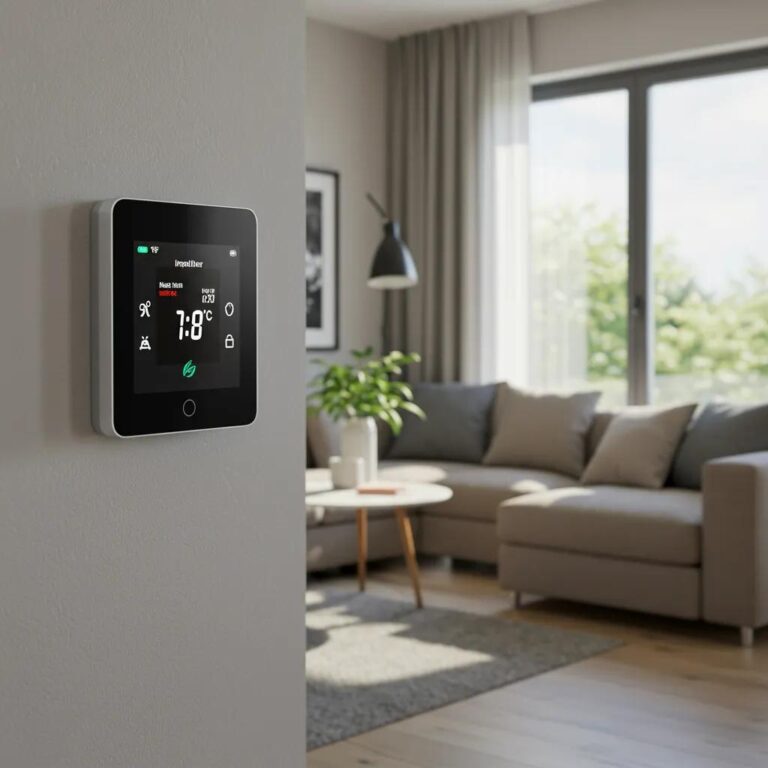
| Thermostat check and calibration | Homeowner or technician (annual) | More accurate control and less runtime |
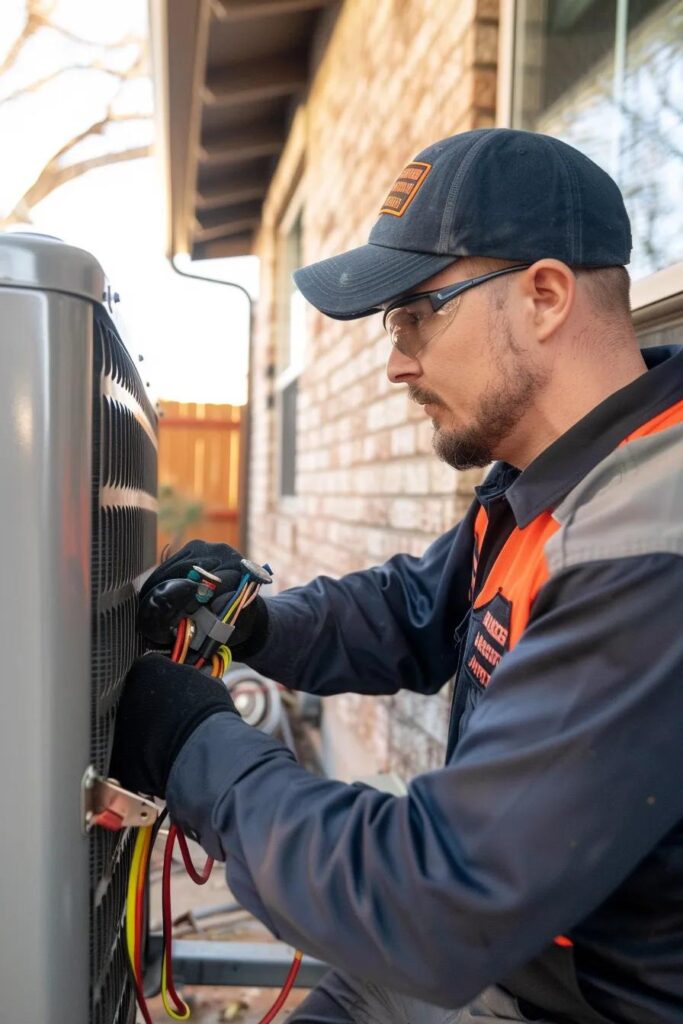
| Refrigerant pressure check | Professional technician (annual) | Restores cooling power and protects the compressor |
| Electrical connection inspection | Professional technician (annual) | Reduces fire risk and improves reliability |
This table helps you decide what to do yourself and when to call a pro. Here’s a short, high-impact checklist to follow.
A concise homeowner maintenance checklist:
- Check or change air filters regularly: Replace filters monthly to quarterly depending on use and filter rating.
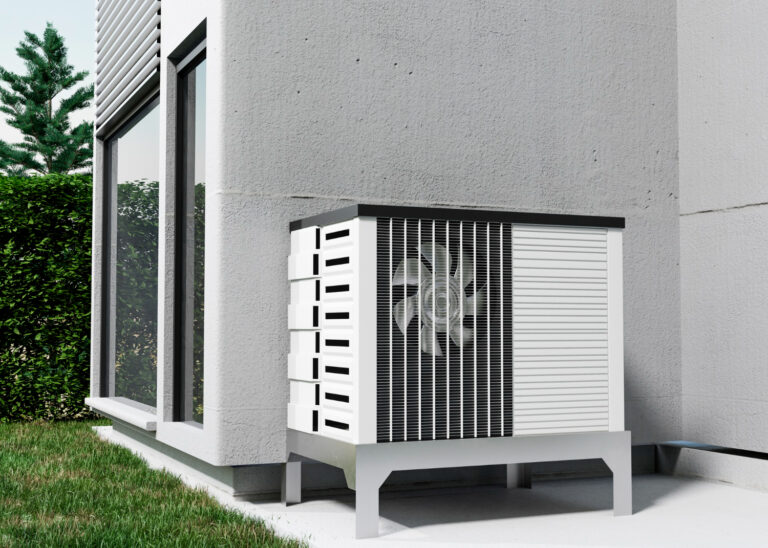
- Keep outdoor condensers clear: Remove leaves and vegetation around the outdoor unit to maintain proper airflow.
- Schedule annual professional inspections: Book refrigerant, electrical, and combustion checks each year.
These baseline actions pair simple homeowner care with technician expertise to maximize system uptime and efficiency.
DIY Tasks You Can Safely Handle
Homeowners can take care of several effective tasks between professional visits. Change or inspect air filters, keep vents unobstructed, wipe visible dust from accessible panels, and keep the outdoor condenser free of leaves and grass. Also check thermostat settings seasonally and replace batteries in thermostats and carbon monoxide detectors. Doing these tasks regularly prevents common problems and makes professional tune-ups more effective, helping your system perform well during peak seasons.
Doing routine homeowner tasks also makes it easier to spot when you need a professional—covered next.
When to Call a Professional Technician
Call a licensed technician right away if you see safety warning signs—burning smells, visible gas leaks, a triggered carbon monoxide alarm, or frequent short-cycling. Schedule annual professional services such as refrigerant leak detection and charging, detailed electrical inspections, blower and motor tests, coil cleanings, and heat exchanger inspection for combustion systems. If your system is underperforming, making unusual noises, or your energy bills climb despite clean filters, those are clear signals to bring in a trained technician. Balancing DIY upkeep with annual professional service protects safety and long-term system health.
Next, we’ll focus on maintaining your air conditioning system on a yearly schedule.
How to Maintain Your Air Conditioning System Every Year
Yearly AC maintenance centers on a spring tune-up that restores cooling performance, confirms refrigerant integrity, and verifies electrical safety so your system is ready for summer. A professional spring visit usually includes cleaning condenser and evaporator coils, checking refrigerant charge and leaks, tightening electrical connections, lubricating moving parts where needed, and confirming thermostat operation. You can prepare by clearing vegetation around the outdoor unit, replacing filters, and noting any performance issues to share with the technician. These steps reduce run-time, help control humidity, and lower the chance of mid-summer emergency calls.
Below is a step-by-step summary of what technicians typically do during a spring tune-up.
Key Steps in a Spring AC Tune-Up
A spring tune-up follows a clear sequence to get your system ready for heavy use. Technicians inspect components, shut power to the unit, clean condenser coils and straighten fins to restore heat rejection, and check refrigerant pressure for leaks. They verify electrical connections and controls, test blower motor operation and airflow, and clear condensate drains to prevent clogs and mold. Finally, they confirm thermostat calibration and run the system to observe startup and steady-state behavior. This process prevents common summer failures and improves comfort and efficiency.
These tune-up steps pair with homeowner efficiency measures you can use during heat waves.
How to Improve AC Efficiency in Hot Weather
Improving AC efficiency blends behavior, home improvements, and routine maintenance to lower system demand and energy costs. Use a programmable or smart thermostat to avoid overcooling an empty house, run ceiling fans to stay comfortable at higher setpoints, and close window coverings during peak sun hours. Seal duct leaks and keep registers clear to improve airflow, and keep filters clean while scheduling professional coil cleanings. These steps reduce peak electricity use and prevent excessive, continuous operation that shortens component life. For more information, check our air conditioning services.
The table below summarizes key AC components, what to do for each, and the expected result.
| Component | Maintenance Action | Expected Outcome |
|---|---|---|
| Condenser coil | Clean and straighten fins annually | Restored heat rejection and better efficiency |
| Evaporator coil | Inspect and clean if accessible annually | Improved indoor cooling and less icing |
| Refrigerant line | Check pressure and detect leaks annually | Preserves cooling capacity and protects the compressor |
| Blower motor | Lubricate and inspect belts/bearings as needed | Consistent airflow and longer motor life |
Regular attention to these parts helps prevent summer failures and keeps your home comfortable during high demand.
What to Know About Annual Furnace Inspection and Maintenance
Yearly furnace inspections focus on safety and reliable winter heating by checking combustion, venting, and control systems. Key technician tasks include inspecting the heat exchanger for cracks, verifying venting and flue performance, testing ignition and burner operation, and checking electrical connections and safety interlocks. Homeowners should replace filters, clear vents, and test thermostat settings before winter. Scheduling inspections in early fall prevents stress on the system during the first cold cycles and reduces the chance of mid-winter emergencies.
The fall checks below emphasize safety priorities and simple homeowner steps to take before calling a technician.
Fall Furnace Checks That Keep You Safe

Certain fall checks are essential for safe furnace operation and to catch issues that could cause carbon monoxide exposure or fire hazards. Professionals will inspect the heat exchanger for cracks or corrosion, perform combustion analysis when needed, verify venting and chimney integrity, and test safety controls like limit switches and flame sensors. Homeowners should replace filters, make sure supply and return vents are open, and confirm carbon monoxide detectors have fresh batteries. These combined steps reduce risk and ensure reliable heating when the season turns cold.
Next are practical preparation steps you can take to ready your heating system for winter.
Preparing Your Heating System for Winter
Get your heating system ready with a few homeowner tasks plus a professional check. Replace filters and vacuum registers, test the thermostat on heat mode and program efficient schedules, and inspect visible ductwork for obvious gaps you can safely seal. Clear the area around furnace intakes and returns. Finally, schedule a professional inspection to verify burner function, safety interlocks, and proper combustion. These steps reduce the chance of breakdowns and help keep your home comfortably warm all season.
To prioritize safety, the table below lists checks, the risks they mitigate, and recommended timing.
| Check | Safety Risk Mitigated | Recommended Interval/Action |
|---|---|---|
| Heat exchanger inspection | Carbon monoxide leakage | Professional inspection annually before winter |
| Venting/flue integrity | Improper combustion exhaust | Professional check annually and after any modification |
| Ignition and burner function | Incomplete combustion and efficiency loss | Professional test during annual service |
| Limit and safety switches | Overheating and fire risk | Verified by technician annually |
These safety-first checks protect occupants and help maintain efficient winter heating.
How BannerAir’s Maintenance Plan Helps Your System Last Longer
BannerAir (operating as Greer’s Banner Air) offers a maintenance plan designed to keep your system on a regular professional schedule, provide priority service during busy seasons, and deliver preventive work that extends equipment life and supports warranty requirements. The plan bundles technician-only services—electrical inspections, refrigerant checks, coil cleanings, and safety tests—on a predictable cadence so small problems are caught early. Members also get priority scheduling and discounts on repairs, reducing downtime and total ownership cost. For homeowners who prefer a hands-off approach, a maintenance plan simplifies preventive care and keeps local experts managing your system.
Below is a quick look at common plan features and the benefits each delivers.
Services Included in BannerAir’s Annual Maintenance Plan
BannerAir’s plan typically covers comprehensive inspections and tune-ups for both cooling and heating systems. Common features include system inspections, coil and condensate drain cleaning, refrigerant level checks, electrical safety checks, blower and motor evaluations, priority scheduling during peak seasons, and member discounts on repairs. Each service focuses on improving reliability and preserving equipment life—especially helpful when extreme weather spurs high demand for repairs.
How to Sign Up and Available Financing Options
To join BannerAir’s maintenance plan, contact BannerAir (operating as Greer’s Banner Air) to review plan tiers, scheduling preferences, and member benefits; our team will explain the steps and schedule your first visit. Financing options are often available for maintenance and larger repairs—ask about terms and eligibility when you sign up. Discuss priority service and discount levels to choose the plan that best fits your budget and needs.
Next, you’ll find short FAQ answers that address common homeowner concerns and timing questions.
Common FAQs About Yearly HVAC Maintenance
Homeowners often ask how often systems need service, whether annual maintenance is worth it, and which tasks they can safely do themselves. The short answers below reduce uncertainty and help you build a simple, effective maintenance plan. Generally, professionals recommend a seasonal split—spring for AC and fall for furnaces—while homeowners handle interim items like filter changes and basic checks. Regular service leads to better efficiency, fewer emergencies, and greater safety for most households. AC service is essential for ensuring the longevity of your systems.
Quick answers to the most common questions follow.
How Often Should HVAC Systems Be Serviced?
Have a professional inspect your system at least once a year—ideally split by season (spring for AC, fall for heating). Change filters monthly to quarterly depending on household activity, pets, and filter rating. Check condensate drains and outdoor units each season to avoid clogs or airflow restrictions. Older or heavily used systems may need more frequent professional checks. Any warning signs—strange smells, frequent cycling, or odd noises—should trigger immediate service.
Is Annual HVAC Maintenance Worth the Cost?
Yes. Regular maintenance typically pays off through better energy efficiency, fewer emergency repairs, extended equipment life, and maintained warranty eligibility. Well-maintained systems run closer to rated efficiency, lowering operating costs and delaying costly replacements. Preventative inspections catch small issues before they become expensive repairs, and maintenance plans provide peace of mind with priority service during busy times. For most homeowners, annual maintenance is a smart investment.
Before you schedule your next service, consider these practical starter steps.
- Create a simple maintenance calendar: Mark spring and fall for professional tune-ups and set monthly reminders for filter checks.
- Keep service records: Save inspection reports to support warranty claims and resale value.
- Ask about a maintenance plan: A local provider like BannerAir can bundle preventive care and priority scheduling.
These actions translate the guide into a manageable routine that protects comfort, safety, and equipment life.
Frequently Asked Questions
What are the signs that my HVAC system needs maintenance?
Watch for unusual noises, uneven temperatures, rising energy bills, or frequent on/off cycling. A burning smell, water leaks, or a triggered carbon monoxide alarm are urgent warning signs—call a professional immediately. If your system isn’t heating or cooling effectively or vents show heavy dust buildup, schedule a maintenance check. Catching these signs early prevents costlier repairs.
How can I improve indoor air quality with my HVAC system?
Improve indoor air quality by changing filters regularly—ideally every month or as recommended—and using higher-efficiency filters when appropriate. Schedule duct cleaning if you suspect mold or heavy dust buildup, ensure proper ventilation, and consider air purifiers or dehumidifiers to reduce humidity and airborne contaminants. Regular HVAC maintenance also helps keep coils and drains clean, which supports healthier indoor air.
What should I do if my HVAC system is blowing warm air?
First, confirm the thermostat is set to cooling. Check the air filter—if it’s clogged, replace it. Inspect the outdoor unit for debris or obstructions. If those steps don’t help, the issue may be a refrigerant leak or compressor problem, which requires professional diagnosis and repair.
How can I prepare my HVAC system for seasonal changes?
In spring, clear debris from the outdoor unit, replace filters, and schedule a professional tune-up to check refrigerant levels and clean coils. In fall, replace filters again, clear vents, and schedule a furnace inspection to confirm safety and efficiency. These proactive steps reduce the chance of breakdowns during peak seasons.
What are the benefits of enrolling in an HVAC maintenance plan?
A maintenance plan provides regular professional inspections, priority scheduling during busy seasons, and discounts on repairs. Plans help ensure timely upkeep, extend system life, and keep a documented service history to support warranties. Overall, a plan reduces the risk of emergency repairs and gives homeowners reliable support from trained technicians.
Can I perform my own HVAC maintenance tasks?
Yes—homeowners can safely do basic tasks: replace air filters, keep vents clear, and remove debris from the outdoor unit. Check thermostat settings and replace batteries in thermostats and carbon monoxide detectors. For refrigerant checks, electrical work, or combustion testing, always call a licensed technician. These simple homeowner tasks go a long way toward maintaining system efficiency.
Conclusion
Regular HVAC maintenance is key to saving energy, extending equipment life, and improving indoor air quality. A simple routine that combines homeowner care with annual professional service prevents many common problems and keeps your system reliable year-round. Schedule your annual HVAC service with BannerAir today to protect comfort and safety—explore our maintenance plans to find the right fit for your home and budget.