


Effective Dust Mite Prevention Strategies for Improved Indoor Air Quality
At Greer’s Banner Air, we understand how controlling dust mites is essential for enhancing indoor air quality and alleviating allergy symptoms. Dust mites thrive in humid environments, feeding on organic materials such as skin flakes, and they can exacerbate respiratory issues for many individuals. In this comprehensive guide, we share our expertise and effective strategies for controlling dust mites, which will help improve air quality in your home in Bakersfield, CA. Our approach includes cleaning methods, environmental controls, and personal habits that significantly contribute to dust mite management. We also explain dust mite biology, their impact on health, and recommend the best HVAC filtration systems to combat allergens.
By following these strategies with Greer’s Banner Air, you can create a healthier living environment while keeping dust mites at bay. The sections below provide detailed insights into practical techniques for reducing dust mite populations and ensuring improved indoor air quality.
Cleaning Methods
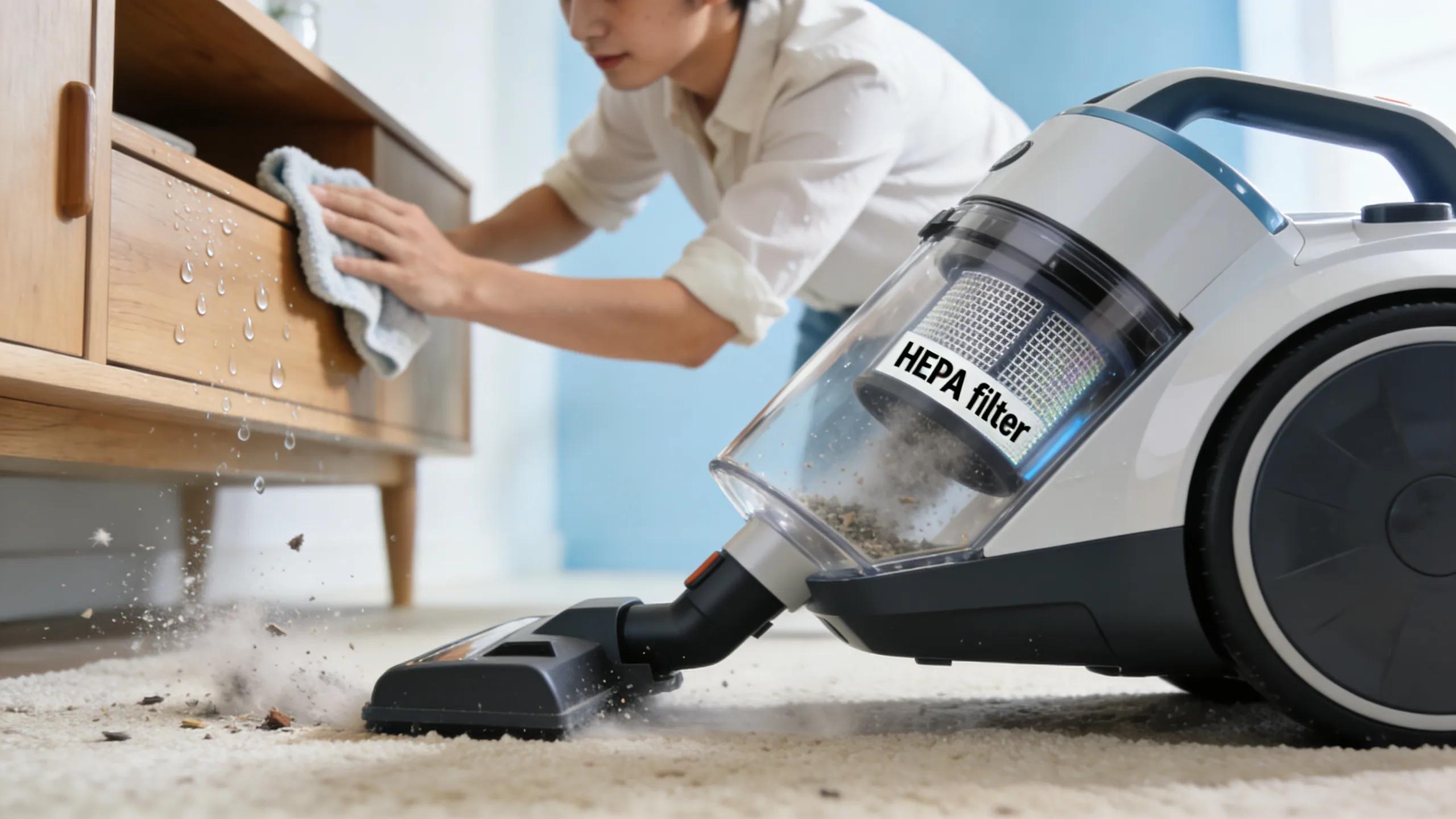
Consistent cleaning is one of the most critical steps we recommend for preventing dust mite infestations. Effective dust mite management depends on regular, thorough cleaning methods.
- Regular Dusting and Vacuuming: Using a damp cloth for dusting helps capture and contain dust particles. Frequent vacuuming of carpets and upholstery with vacuum cleaners equipped with high-efficiency particulate air (HEPA) filters reduces allergen exposure by trapping allergens and preventing them from recirculating into your home’s air.
- Wash Bedding and Fabrics: Washing bed linens, pillowcases, and blankets weekly in hot water (at least 130°F or 54°C) effectively kills dust mites and removes their allergens from fabrics.
- Clean Ducts Regularly: Scheduling professional duct cleaning ensures your HVAC system does not distribute dust and allergens throughout your home. This maintenance not only improves air quality but also enhances your system’s efficiency.
Incorporating these cleaning methods as part of your routine can significantly reduce dust mite populations, providing a foundation for better overall indoor air quality.
Our approach aligns with proven methods for reducing indoor allergens efficiently and maintaining a healthier home.
Environmental Controls
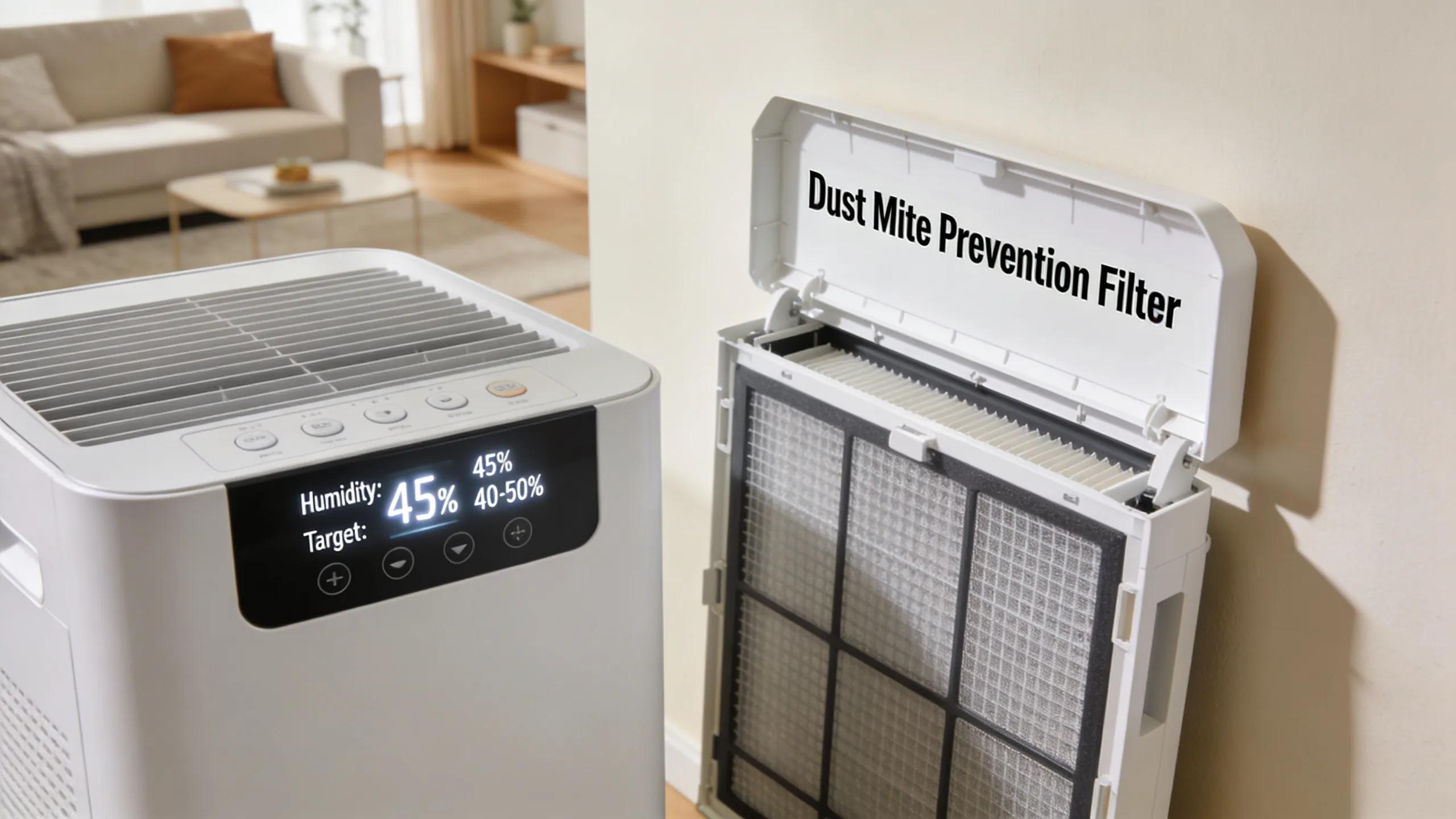
Managing your home’s environment is vital for controlling dust mites effectively. Greer’s Banner Air recommends several techniques to inhibit dust mite growth by adjusting indoor conditions.
- Humidity Control: Keeping indoor humidity levels between 30 and 50 percent is essential, as higher humidity promotes dust mite proliferation. We suggest using dehumidifiers in damp areas such as basements to maintain healthy humidity levels.
- Air Purifiers: Installing air purifiers equipped with HEPA filters captures airborne allergens, including dust mite particles, thereby lowering their concentration in the air.
- UV Light Systems: Integrating ultraviolet (UV) light purification into your HVAC system can reduce microbial allergens like dust mites and improve overall indoor air quality.
By applying these environmental controls, you can significantly decrease dust mite populations and foster a healthier indoor atmosphere.
Personal Habits
Alongside professional cleaning and environmental management, adopting certain daily habits helps further reduce dust mite exposure. At Greer’s Banner Air, we advise clients to consider these personal practices to minimize allergens inside your home.
- Minimize Clutter: Reducing clutter eliminates dust collection spots and habitats for dust mites. Items such as stuffed animals and decorative pillows should be limited to decrease allergen sources.
- Use Dust-Mite-Proof Covers: Encase mattresses and pillows in dust-mite-proof covers to prevent mite infestations by creating protective barriers.
- Regular HVAC Filter Changes: Changing your HVAC air filters every three months ensures optimal airflow and limits dust circulation throughout your home, supporting improved air quality.
Incorporating these habits into your routine will enhance efforts to maintain a dust mite-free environment.
What Are Dust Mites and How Do They Affect Indoor Air Quality?
Dust mites are microscopic arachnids that thrive in warm, humid environments, making homes ideal habitats. They primarily feed on organic debris such as human skin flakes. Their presence indoors can significantly impact air quality and contribute to health issues like allergies and asthma.
Understanding Dust Mite Biology and Allergen Proteins
Dust mites, usually less than half a millimeter long, have a hard exoskeleton and produce allergenic proteins through their excrement and body fragments. When these allergens become airborne, they can provoke allergic reactions in sensitive individuals, underscoring the importance of controlling dust mite populations.
How Dust Mite Allergens Impact Respiratory Health and Allergies
The allergens from dust mites can worsen respiratory conditions, triggering symptoms such as sneezing, runny nose, and asthma attacks. People with allergy predispositions are especially vulnerable, making effective dust mite control critical in homes like those in Bakersfield, CA, where we serve.
Which HVAC Filtration Systems Best Reduce Dust Mite Allergens?
The type of HVAC filtration system plays a significant role in managing dust mite allergens effectively. At Greer’s Banner Air, we recommend the following options.
Comparing HEPA Filters and Other HVAC Dust Mite Controls
High-efficiency particulate air (HEPA) filters are widely recognized as the gold standard for allergen filtration within HVAC systems. They trap up to 99.97% of particles larger than 0.3 microns, providing excellent reduction of dust mite allergens. Standard filters often allow many allergens to pass through, so HEPA filters are preferred for households with allergic or asthmatic members.
Integrating Smart HVAC Systems for Effective Dust Mite Allergen Reduction
Modern smart HVAC systems provide advanced features that enhance air quality management. These systems continually monitor indoor air quality and adjust filtration settings automatically. They also provide alerts for timely filter replacements, ensuring optimal system efficiency and allergen reduction.
How Can Air Purifiers Help Control Dust Mites and Improve Air Quality?
Air purifiers are valuable tools for managing indoor air quality concerning dust mite allergens. Different technologies offer distinct benefits, which we discuss to help you make informed decisions.
Types of Air Purifiers
Air purifiers using HEPA filtering, activated carbon, and UV light technologies are common. HEPA purifiers effectively trap microscopic allergens, carbon filters absorb odors and volatile organic compounds, and UV light systems target microbial threats, providing comprehensive allergen control.
Effectiveness
Studies indicate that air purifiers with HEPA filters can significantly reduce airborne allergens and improve allergy symptoms for sufferers. Consistent use is key to achieving these benefits.
Additional Benefits
Besides controlling dust mites, air purifiers can improve sleep quality and reduce respiratory irritants, enhancing overall indoor comfort and well-being.
Evaluating Air Purifier Technologies for Dust Mite Allergen Removal
To empower homeowners, here’s an overview of common air purifier technologies:
While HEPA filters remain the most effective against allergens, complementary technologies like activated carbon and UV light enhance overall air purification.
Maximizing Air Purifier Coverage and Efficiency in Homes
To get the most from your air purifier, consider the following recommendations from Greer’s Banner Air:
- Placement: Locate air purifiers in high-traffic areas or main living spaces where dust mites commonly gather, enhancing their allergen reduction impact.
- Regular Maintenance: Clean and replace filters according to manufacturer guidelines to keep your purifier working efficiently.
- Unit Size: Choose an air purifier suited to your room’s size for adequate coverage; larger rooms may require more than one unit or units with higher capacity.
Following these guidelines will maximize air purifier effectiveness in controlling dust mites and improving your home’s air quality.
What Cleaning and Maintenance Practices Reduce Dust Mite Populations?
Effective cleaning practices are essential for minimizing dust mites, requiring consistent attention and smart techniques.
Step-by-Step Cleaning Methods to Remove Dust Mites Effectively
- Damp Dusting: Use a damp cloth instead of a dry one to trap dust efficiently, focusing on shelves, baseboards, and blinds often overlooked.
- Frequent Vacuuming: Vacuum carpets, rugs, and upholstery weekly using a vacuum with a HEPA filter to reduce allergens.
- Bedding Care: Wash bed linens weekly in hot water, and use allergen-proof mattress and pillow encasements for added protection.
These steps offer a practical path to significantly lower dust mite numbers in your home.
How Often Should Bedding and Soft Furnishings Be Washed?
Bedding should be washed weekly in hot water to effectively control dust mites. Soft furnishings such as curtains and cushions should be cleaned regularly, at least seasonally, to reduce allergen buildup.
How Does Environmental Control Limit Dust Mite Growth Indoors?
Environmental management is crucial to controlling dust mites and enhancing indoor air quality.
What Humidity Levels Inhibit Dust Mite Populations?
Keeping indoor humidity between 30% and 50% inhibits dust mite growth. When humidity surpasses 50%, dust mites thrive, increasing allergen production. We recommend using dehumidifiers in damp areas to maintain ideal humidity.
Adjusting Indoor Temperature for Optimal Dust Mite Prevention
Indoor temperatures below 75°F (24°C) are advisable to deter dust mite survival. Routine HVAC maintenance ensures these environmental conditions are consistently met for optimal control.
Which Allergy Symptom Relief Methods Help Manage Dust Mite Reactions?
For those sensitive to dust mites, effective strategies can alleviate allergic symptoms.
- Recognize Symptoms Early: Identifying sneezing, nasal congestion, and asthma symptoms early helps you take timely action.
- Prevent and Alleviate Allergies: Utilize antihistamines or nasal corticosteroids as advised by healthcare providers, together with ongoing cleaning and environmental controls to reduce exposure.
Understanding these symptoms and management methods improves life quality in dust mite-rich home environments.
What Are the Latest Advances in Chemical-Free Dust Mite Control?
With a growing focus on sustainable living, Greer’s Banner Air highlights chemical-free dust mite control options gaining popularity.
New Air Purification Technologies: Ultraviolet Light and Ionization
Recent advancements such as UV light and ionization technologies help neutralize allergens without chemical agents. This holistic approach to air quality reduces dependence on potentially harmful substances while managing dust mite presence effectively.
Local HVAC Dust Control Methods and Their Effectiveness
Community-based solutions that specialize in localized HVAC dust control can enhance indoor air quality and address allergen issues for sensitive populations. We advise considering professional services that emphasize comprehensive allergen management.
How Can Homeowners Monitor and Maintain Dust Mite Control Effectiveness?
At Greer’s Banner Air, we stress the importance of ongoing monitoring to sustain dust mite control success.
Essential Tools and Indicators for Tracking Indoor Air Quality and Allergens
Using indoor air quality monitors to measure humidity, particulates, and allergens provides valuable data to guide remediation and prompt timely interventions when allergen levels rise.
Routine Audits and Best Practices for Sustained Dust Mite Reduction
Regularly auditing your cleaning practices, monitoring air quality metrics, and checking filtration efficiency helps ensure that dust mite control measures remain effective over time. Using checklists can reinforce systematic airborne allergen management practices.
Improve Your Indoor Air Quality Today with Greer’s Banner Air
Ready to breathe easier and enjoy a healthier home free of dust mites? Greer’s Banner Air in Bakersfield, CA is here to partner with you. Contact us to schedule an indoor air quality assessment or to learn more about our comprehensive dust mite prevention and HVAC filtration services designed with your family’s health in mind.