
As the seasons change, ensuring your HVAC system is ready for the warmer months is crucial for maintaining comfort and efficiency in your home. At Greer’s Banner Air, we understand that a spring HVAC tune-up not only enhances system performance but also extends the lifespan of your equipment. This comprehensive guide provides a detailed checklist to prepare your HVAC system for spring, focusing on energy efficiency and reliability. Many homeowners overlook the importance of regular maintenance, which can lead to unexpected breakdowns and increased energy costs. By following this checklist, you can proactively address potential issues and enjoy a more comfortable living environment. We will cover the significance of tune-ups, the benefits of seasonal maintenance, and the essential steps to ensure your HVAC system is in optimal condition.
Why Is a Spring HVAC Tune-Up Crucial for Your System?
A spring HVAC tune-up is essential for several reasons. First, it significantly improves energy efficiency, allowing your system to operate at peak performance. Regular maintenance helps identify and rectify issues before they escalate into costly repairs. Additionally, a well-maintained HVAC system enhances reliability, ensuring that your home remains comfortable during the hottest months. By investing in a spring tune-up with Greer’s Banner Air, you can also achieve substantial cost savings on your energy bills. For residents in Bakersfield, CA, where temperatures can soar, scheduling a professional tune-up with us can make a significant difference in your system’s performance.
How Does Seasonal Maintenance Prevent Breakdowns and Reduce Energy Costs?

Seasonal maintenance plays a vital role in preventing unexpected breakdowns and reducing energy costs. By regularly checking and servicing your HVAC system, we help restore its efficiency, ensuring that it operates smoothly throughout the season. Key maintenance tasks include checking refrigerant levels, calibrating thermostats, and cleaning essential components. These actions not only enhance system performance but also contribute to lower energy consumption. Homeowners who prioritize seasonal maintenance with Greer’s Banner Air often experience fewer breakdowns and enjoy significant savings on their utility bills.
What Are the Benefits of Regular HVAC Tune-Ups in Bakersfield, CA’s Climate?
Regular HVAC tune-ups offer numerous benefits, particularly in Bakersfield, CA’s unique climate. The hot summers can put a strain on your HVAC system, making it essential to keep it in top shape. Some of the key benefits include:
- Energy Efficiency: Regular tune-ups ensure that your system runs efficiently, reducing energy consumption and lowering utility bills.
- System Longevity: Routine maintenance extends the lifespan of your HVAC equipment, delaying the need for costly replacements.
- Maintenance Cost Savings: By addressing minor issues before they become major problems, you can save on repair costs and avoid emergency service calls.
These benefits highlight the importance of scheduling regular HVAC tune-ups with Greer’s Banner Air, especially in a climate that demands reliable cooling solutions.
What Are the Key Steps in a Comprehensive Spring HVAC Tune-Up Checklist?
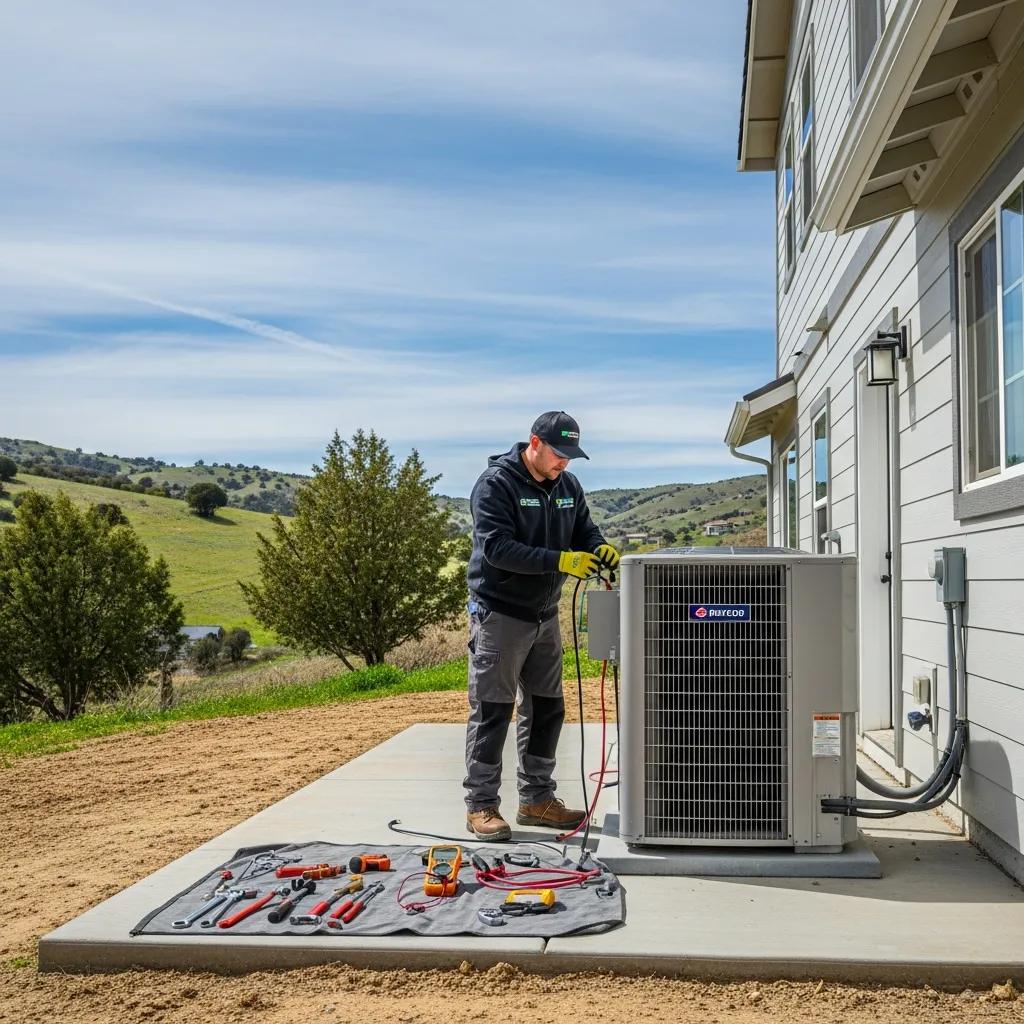
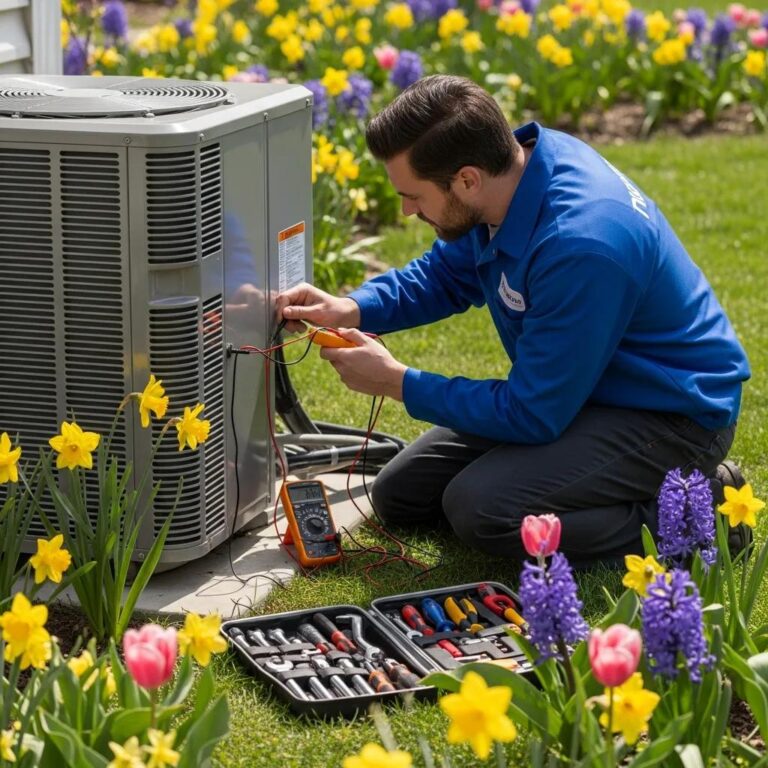
A comprehensive spring HVAC tune-up checklist includes several critical steps to ensure your system is ready for the warmer months. Here are the essential tasks we perform:
- Inspect and Clean Components: We regularly check and clean the condenser coils, evaporator coils, and blower components to ensure optimal airflow and efficiency.
- Check Refrigerant Levels: We ensure that refrigerant levels are adequate for efficient cooling. Low refrigerant can lead to increased energy consumption and system strain.
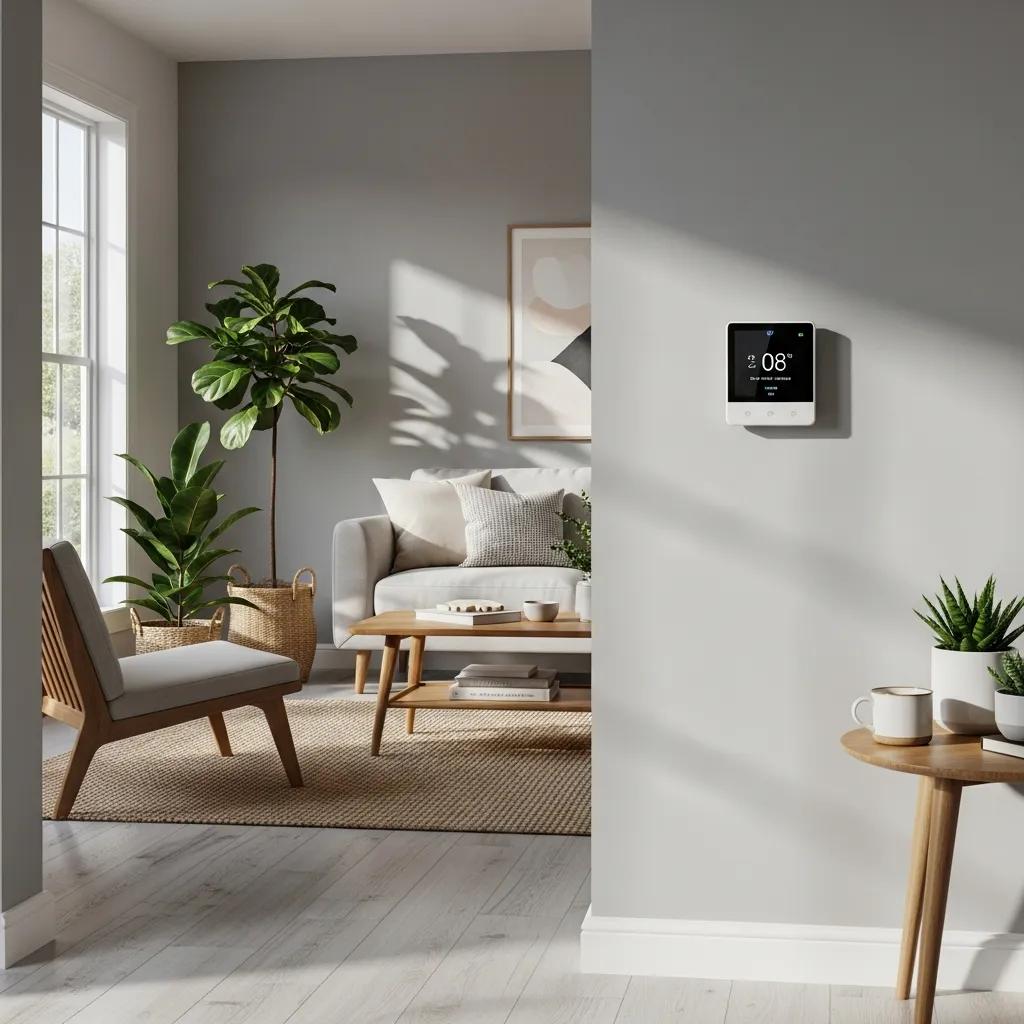
- Calibrate the Thermostat: Proper thermostat calibration ensures that your system operates at the desired temperature, enhancing comfort and efficiency.
| Task | Description | Frequency |
|---|---|---|
| Inspect Components | Check and clean all essential parts of the HVAC system | Annually |
| Check Refrigerant | Ensure proper refrigerant levels for optimal performance | Annually |
| Calibrate Thermostat | Adjust settings for accurate temperature control | Annually |
These steps form the foundation of a successful spring HVAC tune-up, ensuring that your system operates efficiently throughout the season.
How to Inspect and Replace Air Filters for Optimal Airflow?
Inspecting and replacing air filters is a crucial step in maintaining your HVAC system. Clogged filters can restrict airflow, leading to decreased efficiency and increased energy costs. To ensure optimal airflow, follow these steps:
- Locate the Filter: Find the air filter compartment, usually near the air handler or return air duct.
- Inspect the Filter: Check for dirt and debris. If the filter appears dirty, it’s time for a replacement.
- Replace with a New Filter: Choose a filter with the appropriate MERV rating for your system and replace it according to the manufacturer’s instructions.
Regularly changing your air filters can significantly improve indoor air quality and system efficiency.
Why Is Thermostat Calibration Important for Energy Savings?
Thermostat calibration is vital for ensuring that your HVAC system operates efficiently. An improperly calibrated thermostat can lead to temperature discrepancies, causing your system to work harder than necessary. This not only increases energy consumption but can also lead to premature wear and tear on your equipment. By regularly calibrating your thermostat, we ensure that your system maintains the desired temperature, leading to energy savings and enhanced comfort.
How to Check Refrigerant Levels and Electrical Components During Spring Maintenance?
Checking refrigerant levels and electrical components is an essential part of spring maintenance. Here’s how we perform these checks:
- Refrigerant Levels: We use a pressure gauge to check the refrigerant levels against the manufacturer’s specifications. If levels are low, it may indicate a leak that needs to be addressed.
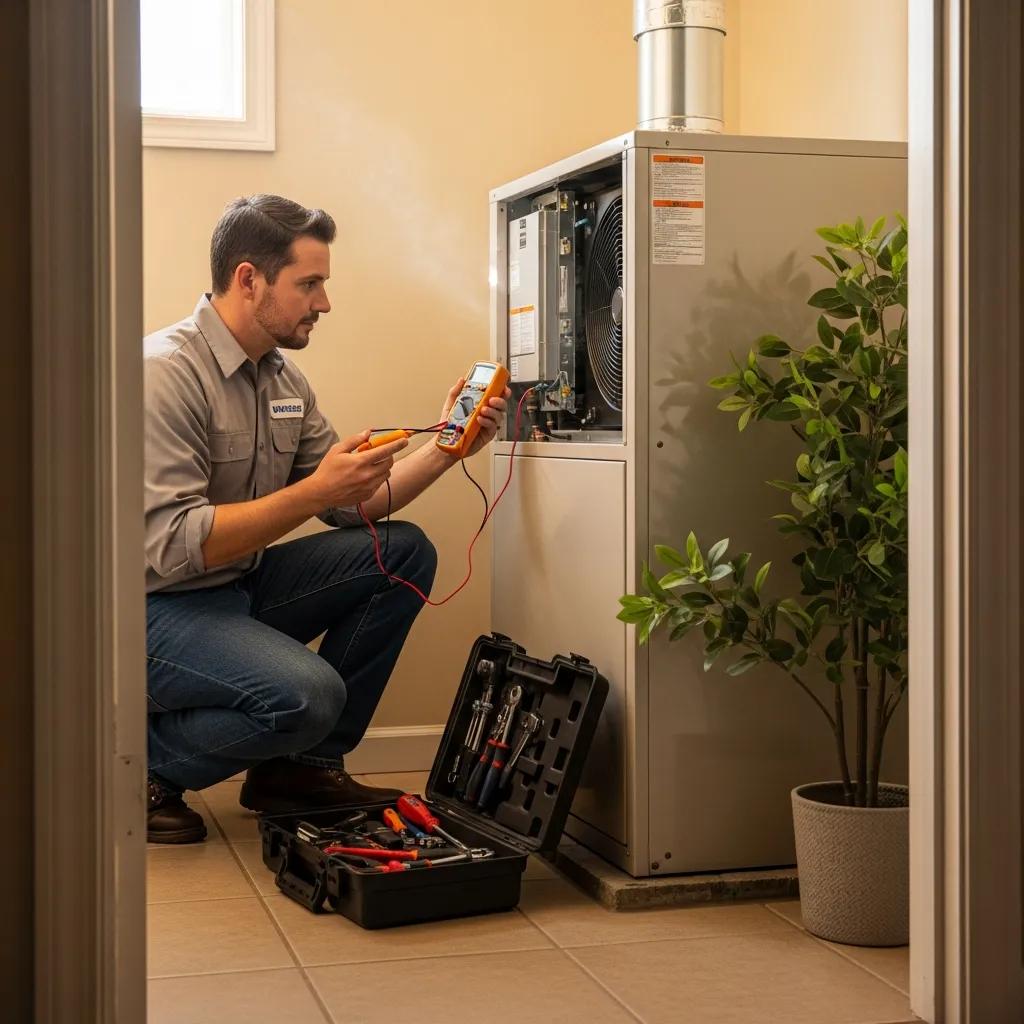
- Electrical Components: We inspect all electrical connections, including capacitors and contactors, for signs of wear or damage. We tighten any loose connections and replace faulty components to ensure safe and efficient operation.
Regular checks of these components can prevent system failures and enhance overall performance.
What Are Signs of Refrigerant Leaks and How to Address Them?
Identifying refrigerant leaks early is crucial for maintaining your HVAC system’s efficiency. Common signs of refrigerant leaks include:
- Weak Airflow: Reduced airflow from vents can indicate low refrigerant levels.
- Increased Energy Bills: A sudden spike in energy costs may suggest that your system is working harder due to insufficient refrigerant.
- Ice Formation: Ice on the evaporator coils can signal a refrigerant leak.
If you notice any of these signs, it’s essential to contact our professional technicians at Greer’s Banner Air to address the issue promptly.
Which Electrical Inspections Ensure Safe and Efficient HVAC Operation?
Electrical inspections are critical for ensuring the safe and efficient operation of your HVAC system. Key inspections we perform include:
- Tightening Electrical Connections: Loose connections can lead to system failures and pose safety hazards.
- Testing Capacitors and Contactors: These components are vital for the proper functioning of your system. Regular testing can prevent unexpected breakdowns.
- Inspecting Safety Controls: We ensure that all safety controls are functioning correctly to protect your system from potential hazards.
Regular electrical inspections can enhance the reliability and safety of your HVAC system.
Why Is Ductwork Cleaning Essential in Your Spring HVAC Tune-Up?
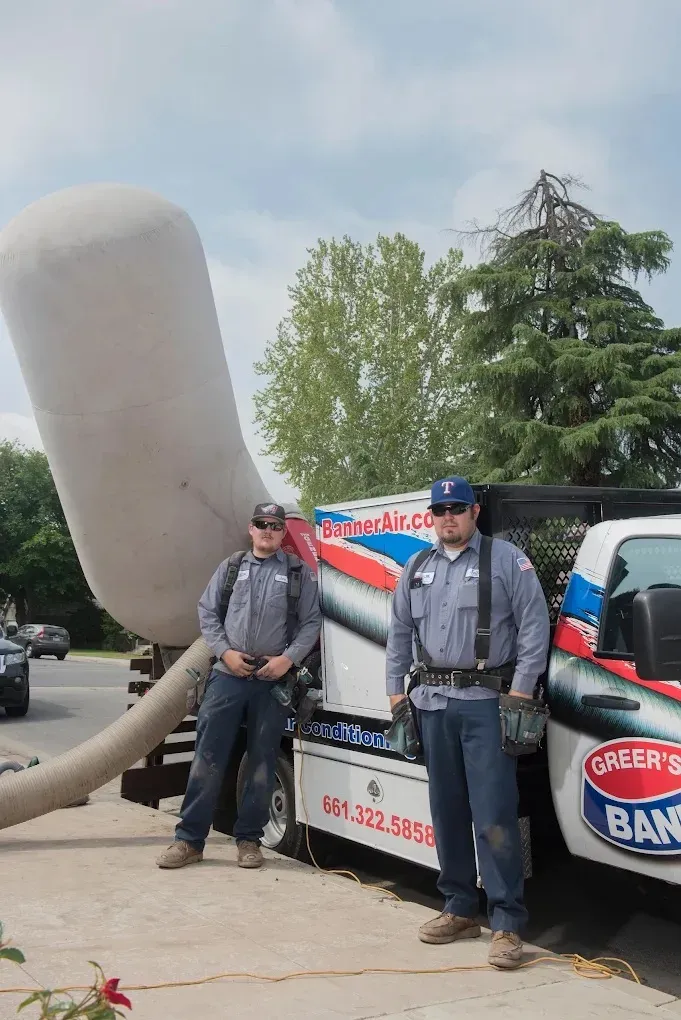
Ductwork cleaning is an often-overlooked aspect of HVAC maintenance that is essential for optimal performance. Over time, dust, debris, and allergens can accumulate in your ductwork, leading to poor indoor air quality and reduced system efficiency. Cleaning your ducts can help:
- Improve Indoor Air Quality: Removing contaminants from your ductwork enhances the air quality in your home.
- Enhance System Efficiency: Clean ducts allow for better airflow, reducing the strain on your HVAC system.
- Lower Energy Costs: Improved efficiency translates to lower energy bills.
How Does Clean Ductwork Improve Indoor Air Quality and System Efficiency?
Clean ductwork plays a significant role in maintaining indoor air quality and system efficiency. By removing dust and allergens, you create a healthier living environment. Additionally, clean ducts facilitate better airflow, allowing your HVAC system to operate more efficiently. This not only enhances comfort but also reduces energy consumption, leading to cost savings.
What Are Effective Methods for Duct Cleaning and Inspection?
Effective duct cleaning and inspection methods include:
- Professional Duct Cleaning Services: Hiring professionals like Greer’s Banner Air ensures thorough cleaning and inspection of your ductwork.
- Use of High-Quality Equipment: Advanced tools and techniques can effectively remove debris and contaminants.
- Regular Inspections: Schedule regular inspections to identify potential issues before they escalate.
Implementing these methods can significantly improve your HVAC system’s performance and indoor air quality.
How Can Energy Efficient HVAC Tips Enhance Your Spring Tune-Up Results?
In addition to regular maintenance, implementing energy-efficient tips can further enhance your HVAC system’s performance. Consider the following strategies:
- Use Programmable Thermostats: These devices allow you to set schedules for heating and cooling, optimizing energy use.
- Regular Filter Changes: Consistently changing air filters ensures optimal airflow and efficiency.
- Seal Duct Leaks: Addressing leaks in your ductwork can prevent energy loss and improve system efficiency.
By incorporating these tips, you can maximize the benefits of your spring HVAC tune-up with Greer’s Banner Air.
What Simple Adjustments Maximize AC System Performance in Spring?
To maximize your AC system’s performance during spring, consider these simple adjustments:
- Schedule a Professional AC Tune-Up: Regular professional maintenance with Greer’s Banner Air ensures your system is in top shape.
- Clean or Replace Air Filters: Keeping filters clean enhances airflow and efficiency.
- Inspect and Seal Ductwork: Addressing any leaks can prevent energy loss and improve performance.
These adjustments can significantly enhance your system’s efficiency and reliability.
How Do Preventive Maintenance Plans Support Long-Term Energy Savings?
Preventive maintenance plans are an excellent way to support long-term energy savings. These plans typically include regular inspections and maintenance, ensuring that your HVAC system operates efficiently year-round. Benefits of preventive maintenance plans with Greer’s Banner Air include:
- Lower Energy Bills: Regular maintenance helps keep your system running efficiently, reducing energy costs.
- Extended Equipment Life: By addressing issues early, you can prolong the lifespan of your HVAC equipment.
- Improved Indoor Air Quality: Regular maintenance ensures that your system operates effectively, enhancing air quality.
Investing in a preventive maintenance plan can lead to significant savings and peace of mind.
What Financing Options Are Available for Your Spring HVAC Tune-Up?
When considering a spring HVAC tune-up, various financing options may be available to help manage costs. Some common options include flexible payment plans through Wells Fargo Financing and energy-efficient home improvement financing via Ygrene Energy Fund. For more details on financing options, contact Greer’s Banner Air to explore the best solutions tailored to your needs.
How to Schedule and Prepare for Your Spring HVAC Tune-Up Service?
Scheduling and preparing for your spring HVAC tune-up with Greer’s Banner Air is straightforward. Here are some tips to ensure a smooth process:
- Choose a Convenient Time: Schedule your service during a time that works best for you, ideally before peak cooling season.
- Clear Debris from Outdoor Units: Ensure that outdoor units are free from debris to facilitate easy access for our technicians.
- Prepare Questions for Your Technician: Consider any specific concerns or questions you may have about your system.
By following these steps, you can ensure that your HVAC tune-up goes smoothly and effectively.
When Is the Best Time to Book Your Spring HVAC Inspection?
The best time to book your spring HVAC inspection with Greer’s Banner Air is before the peak cooling season begins. Scheduling your service early allows for timely maintenance and ensures that your system is ready for the warmer months. Additionally, consider clearing any debris from outdoor units and monitoring your system’s performance as the season approaches.
What Should You Expect During the Tune-Up Appointment?
During your HVAC tune-up appointment with Greer’s Banner Air, you can expect a thorough inspection and maintenance of your system. Key tasks typically include:
- Inspection and Cleaning Tasks: Our technicians will inspect and clean essential components to ensure optimal performance.
- Duration of Service: Most tune-up appointments last between one to two hours, depending on the system’s condition.
- Expected Outcomes: After the service, you should notice improved efficiency, enhanced comfort, and potentially lower energy bills.
Understanding what to expect during your appointment can help you prepare and make the most of your HVAC tune-up.
Schedule Your Spring HVAC Tune-Up with Greer’s Banner Air Today
Don’t wait for the heat to catch you off guard. Contact Greer’s Banner Air to schedule your spring HVAC tune-up and ensure your system is running efficiently and reliably. Our expert technicians are ready to provide comprehensive maintenance tailored to your home’s needs, helping you save energy and enjoy a comfortable living environment all season long.