Expert HVAC Tips for Homeowners
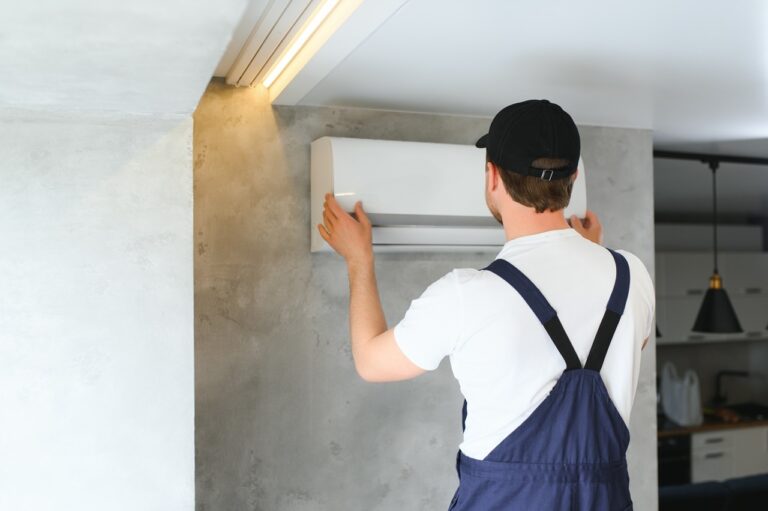
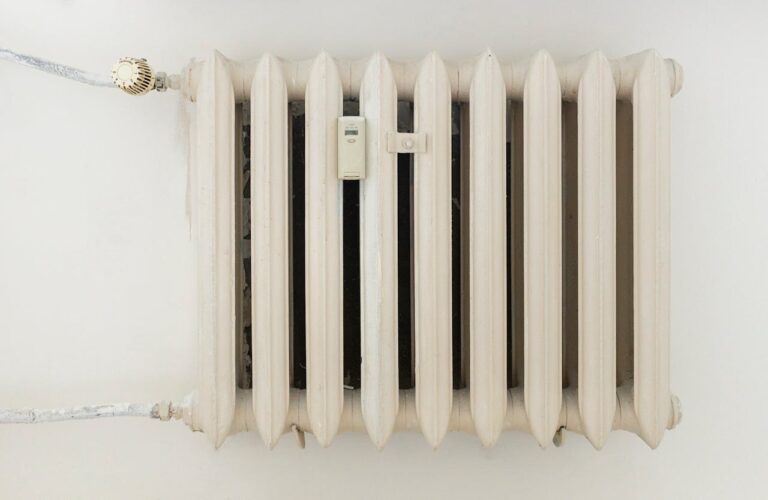
Homeowners often seek reliable advice on maintaining their heating and cooling systems. This section provides expert tips on HVAC maintenance, including regular filter changes, system inspections, and the importance of professional servicing to ensure efficiency and longevity.
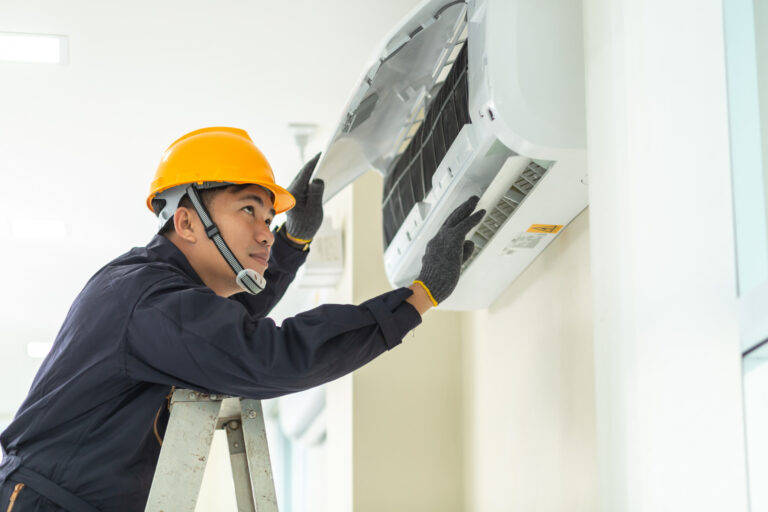
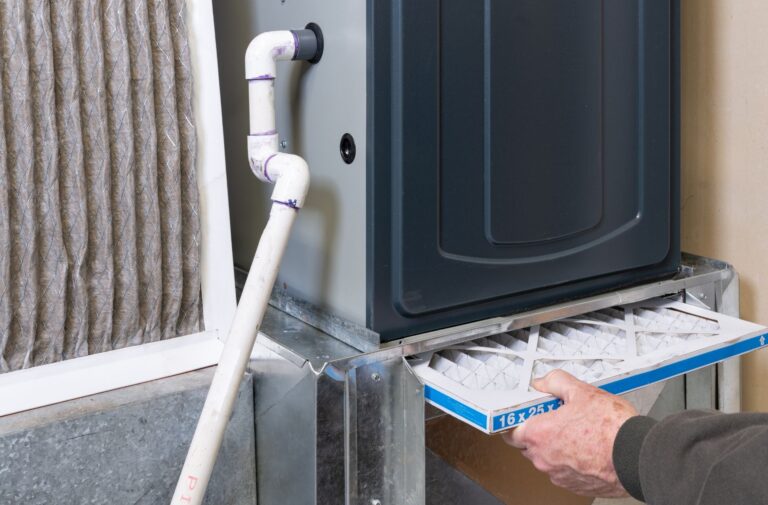
For instance, changing air filters every 1-3 months can significantly improve air quality and system performance. Additionally, scheduling annual inspections with a certified technician can help identify potential issues before they become costly repairs, ensuring your system runs smoothly year-round.
Understanding Energy Efficiency Ratings
Energy efficiency ratings are crucial for homeowners looking to reduce their energy bills and environmental impact. This section explains various efficiency ratings, such as SEER (Seasonal Energy Efficiency Ratio) and AFUE (Annual Fuel Utilization Efficiency), and how they affect the performance of HVAC systems.
For example, a higher SEER rating indicates a more efficient air conditioning unit, which can lead to significant savings on energy costs. Understanding these ratings helps homeowners make informed decisions when purchasing or upgrading their HVAC systems, ultimately leading to better energy management.
Common HVAC Problems and Solutions
Identifying common HVAC problems can save homeowners time and money. This section outlines frequent issues such as inadequate heating or cooling, strange noises, and frequent cycling, along with practical solutions and when to call a professional.
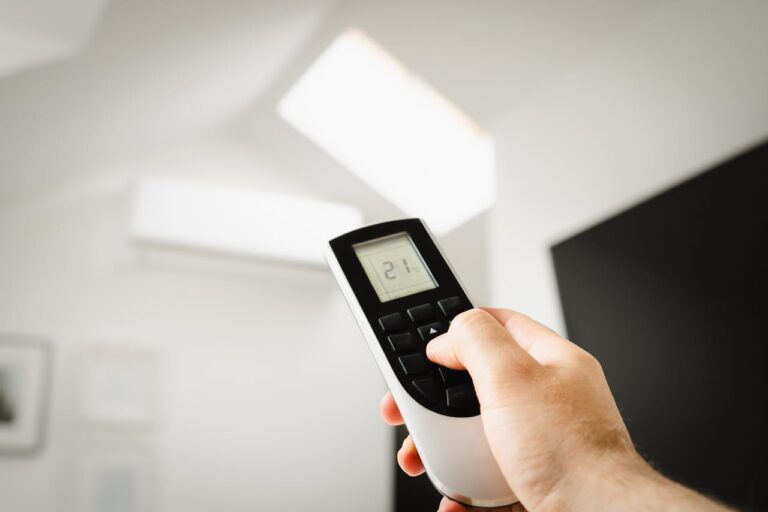
For instance, if your system is not heating properly, it could be due to a dirty filter or a malfunctioning thermostat. Simple troubleshooting steps can often resolve these issues, but persistent problems may require the expertise of an HVAC technician to ensure safe and effective repairs.
Seasonal HVAC Maintenance Checklist
A seasonal HVAC maintenance checklist ensures your heating and cooling systems operate efficiently throughout the year. This section provides a comprehensive guide for homeowners to follow during spring and fall, focusing on essential tasks such as cleaning coils, checking refrigerant levels, and inspecting ductwork.
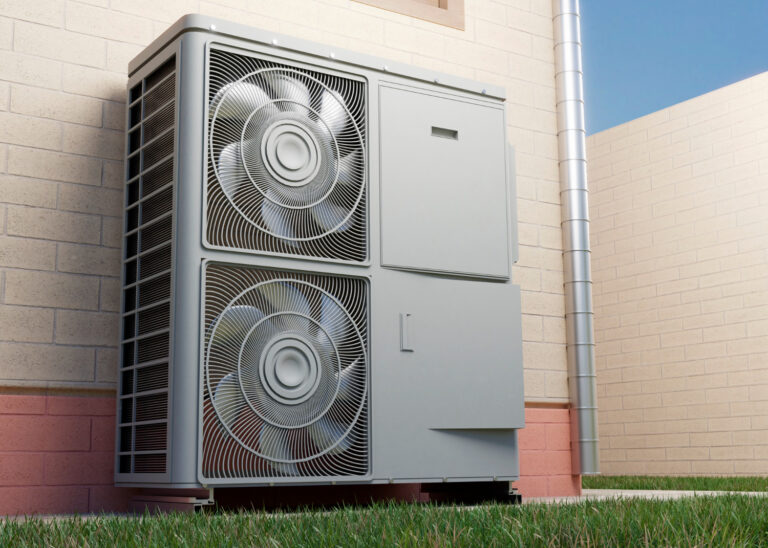
By adhering to this checklist, homeowners can prevent unexpected breakdowns and extend the life of their HVAC systems. For example, cleaning the outdoor unit in the spring prepares it for the heavy usage of summer, while ensuring proper insulation in the fall can enhance heating efficiency during colder months.
Expert HVAC Tips for Homeowners
Homeowners often seek reliable advice on maintaining their heating and cooling systems. This section provides expert tips on HVAC maintenance, including regular filter changes, system inspections, and the importance of professional servicing to ensure efficiency and longevity.
For instance, changing air filters every 1-3 months can significantly improve air quality and system performance. Additionally, scheduling annual inspections with a certified technician can help identify potential issues before they become costly repairs, ensuring your system runs smoothly year-round.
Understanding Energy Efficiency Ratings
Energy efficiency ratings are crucial for homeowners looking to reduce their energy bills and environmental impact. This section explains various efficiency ratings, such as SEER (Seasonal Energy Efficiency Ratio) and AFUE (Annual Fuel Utilization Efficiency), and how they affect the performance of HVAC systems.
For example, a higher SEER rating indicates a more efficient air conditioning unit, which can lead to significant savings on energy costs. Understanding these ratings helps homeowners make informed decisions when purchasing or upgrading their HVAC systems, ultimately leading to better energy management.
Common HVAC Problems and Solutions
Identifying common HVAC problems can save homeowners time and money. This section outlines frequent issues such as inadequate heating or cooling, strange noises, and frequent cycling, along with practical solutions and when to call a professional.
For instance, if your system is not heating properly, it could be due to a dirty filter or a malfunctioning thermostat. Simple troubleshooting steps can often resolve these issues, but persistent problems may require the expertise of an HVAC technician to ensure safe and effective repairs.
Seasonal HVAC Maintenance Checklist
A seasonal HVAC maintenance checklist ensures your heating and cooling systems operate efficiently throughout the year. This section provides a comprehensive guide for homeowners to follow during spring and fall, focusing on essential tasks such as cleaning coils, checking refrigerant levels, and inspecting ductwork.
By adhering to this checklist, homeowners can prevent unexpected breakdowns and extend the life of their HVAC systems. For example, cleaning the outdoor unit in the spring prepares it for the heavy usage of summer, while ensuring proper insulation in the fall can enhance heating efficiency during colder months.